
The last few months have certainly been intense, with a series of compelling things happening all around us. Yet, art is always here to provide us with answers and some solace. This selection of exhibitions to see in Berlin this February wants to make us question our humanity, how we behave, what we see and feel, and give us a common ground, bridging the distance between us, to unite us in these uncertain times.
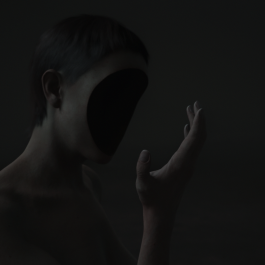
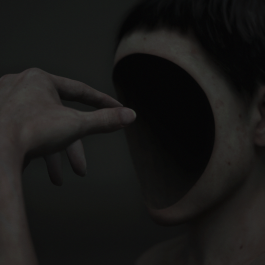
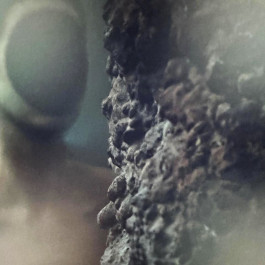
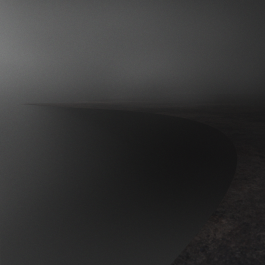
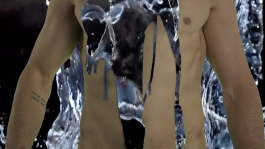
LAS Art Foundation, in collaboration with Hartwig Art Foundation, opened on January 23 an immersive exhibition by acclaimed artist Pierre Hyughe. Located in Halle Am Berghain, the iconic temple of Berlin's techno scene, Liminals marks the first solo presentation of the artist's work in the city. Conceived as a large-scale environment made of film, sound, vibration and light, the show explores uncertainty at its core. We are certainly living in disturbing times, but Hyughe always takes our reasoning to another level. There are no boundaries between body and matter, conscious and unconscious, giving them the possibility to exist all at once.
As the artist himself said about the faceless character who is the core of the film presented for this occasion: “The figure is a hybrid creature, an infinite membrane carved by void... an observer witnessing the ambiguous nature of the entity, its monstrosity, follows states of indeterminacy – of the uncertainty of being, living or existing. The film portrays an inexistent being, a soulscape, a radical outside, striving to combine empathy with the impossible. This fictional world is a vehicle for accessing what could be or could not be – to relate with chaos; and turns states of uncertainty into a cosmos.”
Once again, LAS Art Foundation and the artists they collaborate with open an interesting dialogue between visual art and science, in this case with quantum physics. Addressing it as a liminal space for worlds to collide and things to happen, the exhibition can also be seen as an input to think about what is happening around us and the absurd times we are living in.


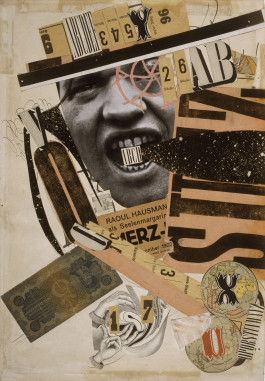
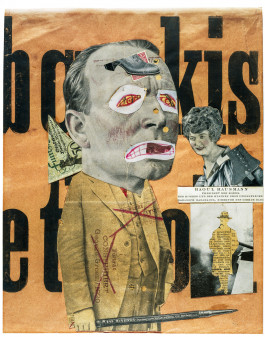
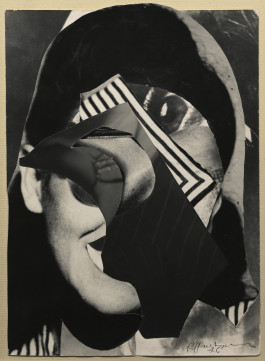
Berlinische Galerie is showcasing the innovative and unique work of Raoul Hausmann (1886-1971), a leading figure of the artistic avant-garde of the 20th century. Presenting an impressive number of artworks spanning his whole career, Vision. Provocation. Dada is the perfect chance to discover the vision of an artist who always looked beyond.
As a Dada artist, Hausmann spent his entire life challenging norms, and investigating the deepest meanings behind it all. His practice spans painting, photography, philosophy, literature, all pursued with a different vision of the world in mind: a place where a new sensory experience with reality can be possible.
The exhibition also addresses the difficult times he lived as a "degenerate artist” in Nazi Germany and the years of exile he had to endure, reminding us of how things can change in the blink of an eye. It grants long-due recognition to the women in his life as well, who were artists, partners and vital collaborators in shaping his practice.
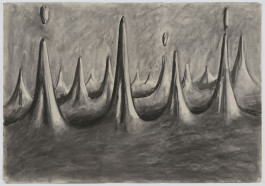
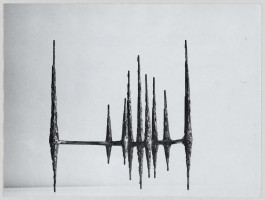
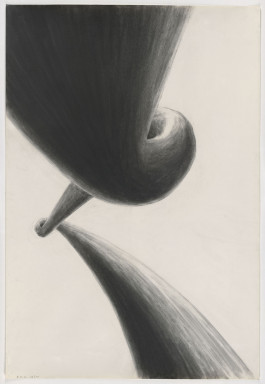
Recognizing the impressive early work of a brilliant artist is the exhibition Sculptures and Drawings by Brigitte Meier-Denninghoff. The exhibition pays homage to her solo practice, which was considered as shared with her husband, the artist Martin Matschinsky, since they became a duo in the 1970s.
Her solo career of the beginning is therefore celebrated after many years, presenting a series of sculptures, drawings and various materials from that time. Her practice was impressive as it borrowed inspiration from both technology and nature, creating powerful sculptures which impact the space they live in, poetically bridging the distance between them.
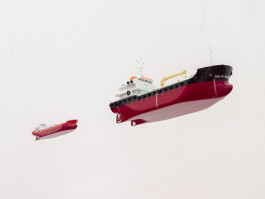
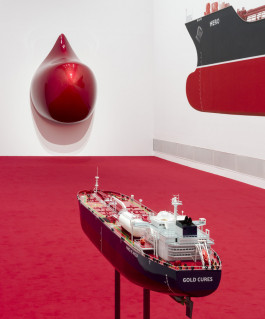
Addressing another important issue of our time, the uncontrolled exploitation of resources, is the exhibition Hero by Monira Al Qadiri. Her practice focuses on a critical take on the political, social and cultural effects of the oil industry and its impact on nature and society.
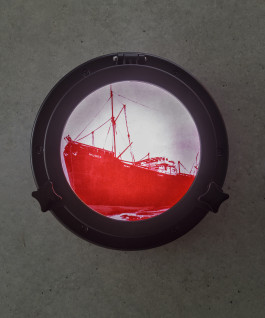
As a raw material that got inextricably linked to inequality, war and colonial dynamics, oil is addressed in her multifaceted installation for what it is, stimulating a critical awakening in its viewers. The tanker models floating in the installation are named with disturbing references, while the video installation addresses the long-term consequences of their use even after they are dismantled. It is a really important topic in contemporary times, since we are witnessing a rush to conquer or buy resources belonging to others, and a means to reason about the society we are living in.
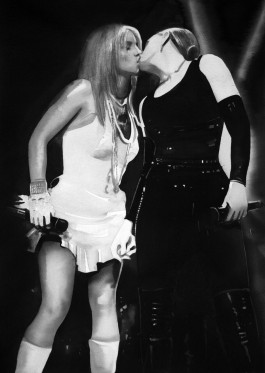
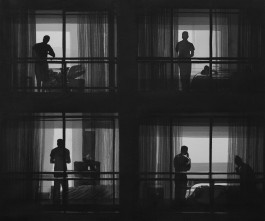
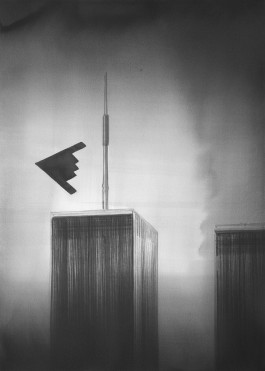
Haus am Lützowplatz is focusing their latest exhibition on the troubling times we are experiencing. Post- Millennium Tension by Radenko Milak is a stunning visual exploration of the events that marked and changed the 21st century.
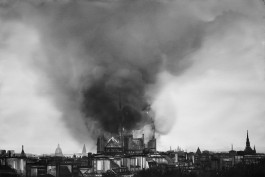
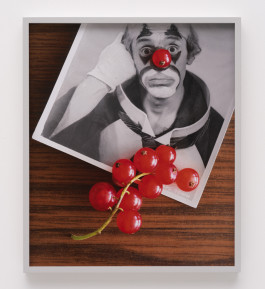
Milak, who was born in Travnik (Bosnia, former Yugoslavia) in 1980 and lived first-hand the consequences of another terrible conflict of the past, creates beautiful black and white watercolors, based on some defining historical moments. He painted the Twin Towers in July 2001, just two months before the terrorist attacks that would change the world we knew of, Notre Dame Cathedral shockingly enveloped by flames, alternating them with iconic moments of pop culture, like the kiss between Britney and Madonna, and with fragments of daily life in big cities. His practice captures and reflects the growing tension, instability and uncertainty that has been surrounding us for years now, giving us an interesting insight on its most recent developments.
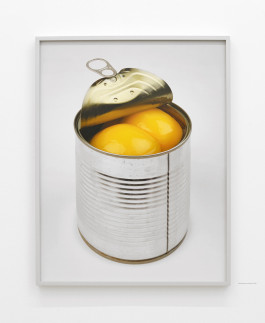
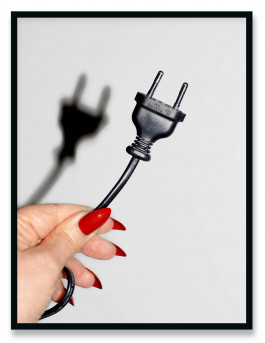
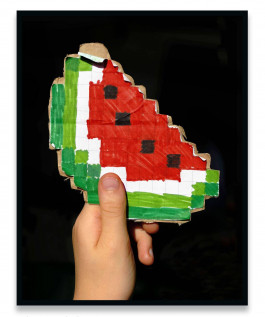
Analyzing our interconnected world and the liminal space between online and offline realities is the exhibition Digital Semiotics by Viktoria Binschtok.
Klemm's is presenting with this exhibition her latest body of work, which explores the role of symbols in the digital age. These signs represent objects or bodies, but their meaning is dynamic and constantly changing. Communicating through them is also an ancient practice of humanity, here seen in its multifaceted and intertwined essence in the digital era.
Her practice doesn’t provide us with solutions, but helps us reflect on the ambiguity of our codes, and their simple yet scary power in either uniting or separating us.
In a time of polarization, such as the one we are living in, it is important to think about the way we communicate, and investigate more on the interconnection between symbols, algorithms and the daily life we often take for granted.
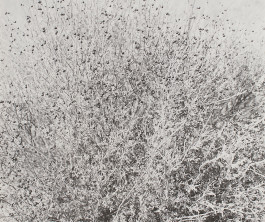
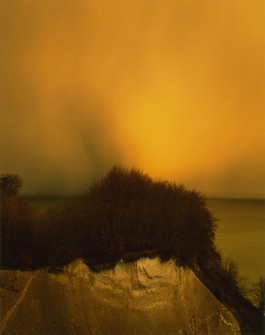
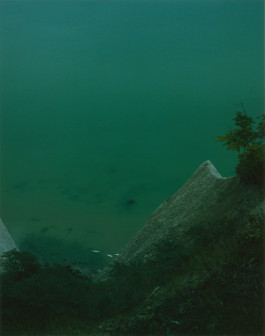
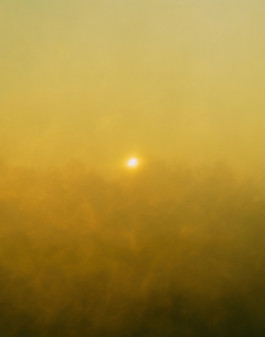
Seeking a purer interaction with nature, while crossing time and space, is the exhibition by Arno Schidlowski at Alfred Ehrhardt Stiftung. The foundation is showcasing until April 12 two different yet related series done by the photographer, Jasmund and Der Sonne Mond.
The Jasmund series takes us back to an iconic and specific landscape, the island of Rügen, where Romantic painter Caspar David Friedrich created his renowned painting. Rather than following the clichés of this famous imagery, the artist focuses on fragments, exploring the contradiction between external representation and internal perception.
Der Sonne Mond is a direct response to Jasmund, and travels the earth, landing in an elusive Southern landscape. The vagueness of the atmosphere and the inability to pinpoint the place to a specific location becomes a chance to wander in a meditative state of suspension between dream and memory, familiarity and strangeness. His practice is a poetic exploration of nature, which connects us through time and space, longing for a connection with our planet, which seems to get lost more and more every day.
PSM: All About Love
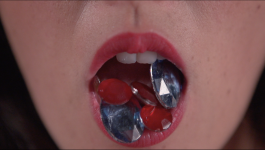
Crossing time to reconnect with a late icon of the music industry to try to speak with her, is the exhibition Love is a Losing Game at PSM. The group show uses the beautiful song by Amy Winehouse as an underlying topic to discuss the meaning of love in its infinite possibilities.
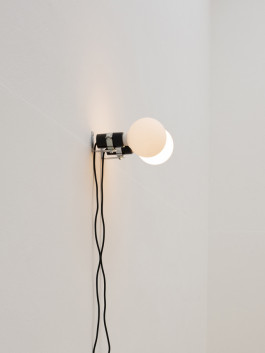
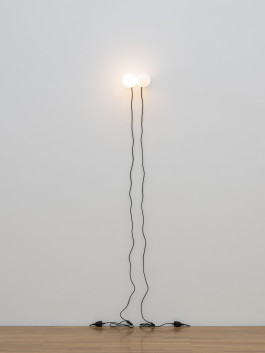
Love is closeness, as the two lightbulbs installed by Ziva Drvaric, delicately hanging on a thread. It can be destructive and painful, as in the video work by Katja Aufleger, who repeatedly sets fire to a dandelion. It is desire and loss as in Karilynn Ming Ho's video about the compulsive behaviors provoked by capitalism even in the dating scene. Love is so many things, many of which we can never grasp or fully understand. Yet the exhibition challenges us to delve into it, live it and most of all, share it.

Related Articles:

The last few months have certainly been intense, with a series of compelling things happening all around us. Yet, art is always here to provide us with answers and some solace. This selection of exhibitions to see in Berlin this February wants to make us question our humanity, how we behave, what we see and feel, and give us a common ground, bridging the distance between us, to unite us in these uncertain times.
LAS Art Foundation, in collaboration with Hartwig Art Foundation, opened on January 23 an immersive exhibition by acclaimed artist Pierre Hyughe. Located in Halle Am Berghain, the iconic temple of Berlin's techno scene, Liminals marks the first solo presentation of the artist's work in the city. Conceived as a large-scale environment made of film, sound, vibration and light, the show explores uncertainty at its core. We are certainly living in disturbing times, but Hyughe always takes our reasoning to another level. There are no boundaries between body and matter, conscious and unconscious, giving them the possibility to exist all at once.
As the artist himself said about the faceless character who is the core of the film presented for this occasion: “The figure is a hybrid creature, an infinite membrane carved by void... an observer witnessing the ambiguous nature of the entity, its monstrosity, follows states of indeterminacy – of the uncertainty of being, living or existing. The film portrays an inexistent being, a soulscape, a radical outside, striving to combine empathy with the impossible. This fictional world is a vehicle for accessing what could be or could not be – to relate with chaos; and turns states of uncertainty into a cosmos.”
Once again, LAS Art Foundation and the artists they collaborate with open an interesting dialogue between visual art and science, in this case with quantum physics. Addressing it as a liminal space for worlds to collide and things to happen, the exhibition can also be seen as an input to think about what is happening around us and the absurd times we are living in.


Berlinische Galerie is showcasing the innovative and unique work of Raoul Hausmann (1886-1971), a leading figure of the artistic avant-garde of the 20th century. Presenting an impressive number of artworks spanning his whole career, Vision. Provocation. Dada is the perfect chance to discover the vision of an artist who always looked beyond.
As a Dada artist, Hausmann spent his entire life challenging norms, and investigating the deepest meanings behind it all. His practice spans painting, photography, philosophy, literature, all pursued with a different vision of the world in mind: a place where a new sensory experience with reality can be possible.
The exhibition also addresses the difficult times he lived as a "degenerate artist” in Nazi Germany and the years of exile he had to endure, reminding us of how things can change in the blink of an eye. It grants long-due recognition to the women in his life as well, who were artists, partners and vital collaborators in shaping his practice.


Recognizing the impressive early work of a brilliant artist is the exhibition Sculptures and Drawings by Brigitte Meier-Denninghoff. The exhibition pays homage to her solo practice, which was considered as shared with her husband, the artist Martin Matschinsky, since they became a duo in the 1970s.
Her solo career of the beginning is therefore celebrated after many years, presenting a series of sculptures, drawings and various materials from that time. Her practice was impressive as it borrowed inspiration from both technology and nature, creating powerful sculptures which impact the space they live in, poetically bridging the distance between them.
Addressing another important issue of our time, the uncontrolled exploitation of resources, is the exhibition Hero by Monira Al Qadiri. Her practice focuses on a critical take on the political, social and cultural effects of the oil industry and its impact on nature and society.
As a raw material that got inextricably linked to inequality, war and colonial dynamics, oil is addressed in her multifaceted installation for what it is, stimulating a critical awakening in its viewers. The tanker models floating in the installation are named with disturbing references, while the video installation addresses the long-term consequences of their use even after they are dismantled. It is a really important topic in contemporary times, since we are witnessing a rush to conquer or buy resources belonging to others, and a means to reason about the society we are living in.


Haus am Lützowplatz is focusing their latest exhibition on the troubling times we are experiencing. Post- Millennium Tension by Radenko Milak is a stunning visual exploration of the events that marked and changed the 21st century.
Milak, who was born in Travnik (Bosnia, former Yugoslavia) in 1980 and lived first-hand the consequences of another terrible conflict of the past, creates beautiful black and white watercolors, based on some defining historical moments. He painted the Twin Towers in July 2001, just two months before the terrorist attacks that would change the world we knew of, Notre Dame Cathedral shockingly enveloped by flames, alternating them with iconic moments of pop culture, like the kiss between Britney and Madonna, and with fragments of daily life in big cities. His practice captures and reflects the growing tension, instability and uncertainty that has been surrounding us for years now, giving us an interesting insight on its most recent developments.


Analyzing our interconnected world and the liminal space between online and offline realities is the exhibition Digital Semiotics by Viktoria Binschtok.
Klemm's is presenting with this exhibition her latest body of work, which explores the role of symbols in the digital age. These signs represent objects or bodies, but their meaning is dynamic and constantly changing. Communicating through them is also an ancient practice of humanity, here seen in its multifaceted and intertwined essence in the digital era.
Her practice doesn’t provide us with solutions, but helps us reflect on the ambiguity of our codes, and their simple yet scary power in either uniting or separating us.
In a time of polarization, such as the one we are living in, it is important to think about the way we communicate, and investigate more on the interconnection between symbols, algorithms and the daily life we often take for granted.


Seeking a purer interaction with nature, while crossing time and space, is the exhibition by Arno Schidlowski at Alfred Ehrhardt Stiftung. The foundation is showcasing until April 12 two different yet related series done by the photographer, Jasmund and Der Sonne Mond.
The Jasmund series takes us back to an iconic and specific landscape, the island of Rügen, where Romantic painter Caspar David Friedrich created his renowned painting. Rather than following the clichés of this famous imagery, the artist focuses on fragments, exploring the contradiction between external representation and internal perception.
Der Sonne Mond is a direct response to Jasmund, and travels the earth, landing in an elusive Southern landscape. The vagueness of the atmosphere and the inability to pinpoint the place to a specific location becomes a chance to wander in a meditative state of suspension between dream and memory, familiarity and strangeness. His practice is a poetic exploration of nature, which connects us through time and space, longing for a connection with our planet, which seems to get lost more and more every day.


PSM: All About Love
Crossing time to reconnect with a late icon of the music industry to try to speak with her, is the exhibition Love is a Losing Game at PSM. The group show uses the beautiful song by Amy Winehouse as an underlying topic to discuss the meaning of love in its infinite possibilities.
Love is closeness, as the two lightbulbs installed by Ziva Drvaric, delicately hanging on a thread. It can be destructive and painful, as in the video work by Katja Aufleger, who repeatedly sets fire to a dandelion. It is desire and loss as in Karilynn Ming Ho's video about the compulsive behaviors provoked by capitalism even in the dating scene. Love is so many things, many of which we can never grasp or fully understand. Yet the exhibition challenges us to delve into it, live it and most of all, share it.


Related Articles:
You need to load content from reCAPTCHA to submit the form. Please note that doing so will share data with third-party providers.
More InformationYou need to load content from Turnstile to submit the form. Please note that doing so will share data with third-party providers.
More InformationYou are currently viewing a placeholder content from Facebook. To access the actual content, click the button below. Please note that doing so will share data with third-party providers.
More InformationYou are currently viewing a placeholder content from Instagram. To access the actual content, click the button below. Please note that doing so will share data with third-party providers.
More InformationYou need to load content from hCaptcha to submit the form. Please note that doing so will share data with third-party providers.
More InformationYou need to load content from reCAPTCHA to submit the form. Please note that doing so will share data with third-party providers.
More InformationYou are currently viewing a placeholder content from Turnstile. To access the actual content, click the button below. Please note that doing so will share data with third-party providers.
More InformationYou are currently viewing a placeholder content from X. To access the actual content, click the button below. Please note that doing so will share data with third-party providers.
More Information