
And yet, just a few hours away, there is a completely different rhythm. It is a place where the air feels lighter, where movement becomes softer, and where time seems to stretch, not because there is less to do, but because there is less pressure to do anything at all. This is the Baltic Sea.
Â
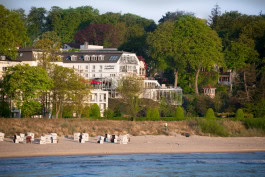
One of the quiet luxuries of Berlin is its proximity to nature. You do not need to cross continents to feel far away, as within just a few hours the city dissolves into open landscapes, long horizons, and a kind of silence that feels almost unfamiliar at first. The Baltic Sea coastline is vast and offers many different destinations, each with its own character. This time, we chose Heringsdorf on the island of Usedom, one of the largest islands in Europe and widely known as Germany’s sunniest spot.
Â
Heringsdorf, part of the historic Kaiserbäder, carries a sense of quiet elegance that feels both refined and grounded. It is known for its long promenade, which invites extended walks and bicycle rides along the sea, as well as for its iconic pier, one of the longest in Europe, stretching far into the horizon.Â
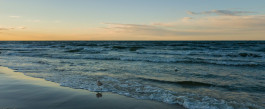
Evenings unfold slowly here, with soft light, pastel skies, and sunsets that feel expansive in a way that is difficult to find in the city. A defining element of the region is sanddorn, or sea buckthorn, a bright orange berry rich in vitamins with a distinctive tart flavor. It appears everywhere, from teas to hot juices and even spa treatments, becoming a subtle but powerful detail that connects nature, taste, and wellbeing.


As Southern Europe faces increasingly extreme heat waves, a new travel trend is emerging: coolcation, the idea of choosing destinations where summer remains breathable. The Baltic Sea offers exactly this. The wind is constant, the air moves freely, mornings feel fresh, and evenings carry a gentle coolness. Even on warmer days, the sea creates a natural balance, making the climate feel livable rather than overwhelming.
Â
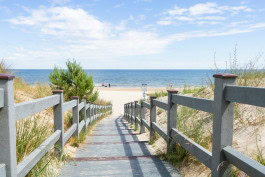
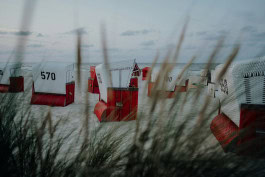
What makes Usedom particularly special is not only its coastline, with beaches stretching endlessly in soft, pale sand, but also the combination of landscapes. On one side lies the open sea, expansive and grounding, while on the other, pine forests provide shaded stillness and quiet paths. This duality changes the way you move, encouraging bicycles over cars, walking over rushing, and a more intuitive rhythm over rigid planning.
Long before longevity became a trend, people came to the Baltic Sea for their health. The air, rich in iodine and sea aerosols, was known to support respiratory healing, attracting visitors seeking recovery, rest, and renewal. Even Maxim Gorky spent time on Usedom for this reason. Today, this idea feels more relevant than ever. In a world defined by constant stimulation, the ability to breathe deeply, walk for hours, and allow the nervous system to settle has become a new kind of luxury, one that is not immediately visible but deeply felt.
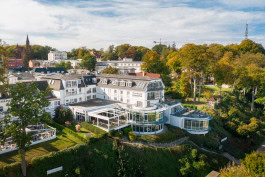
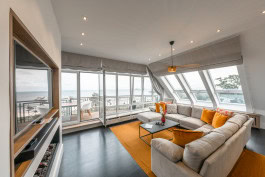
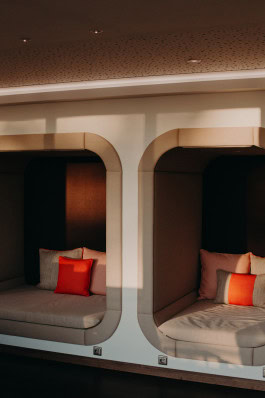
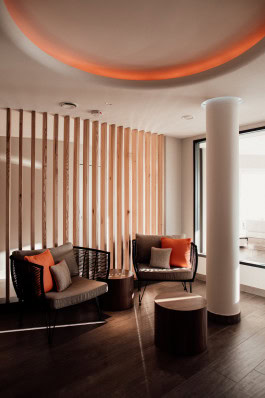
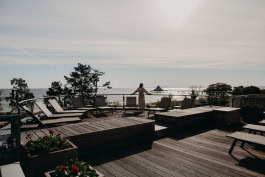
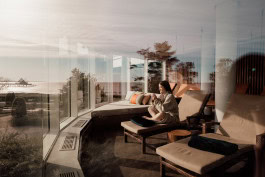
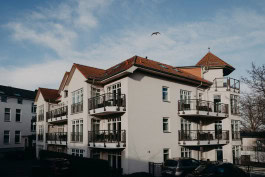
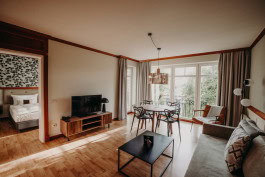
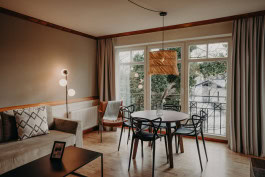
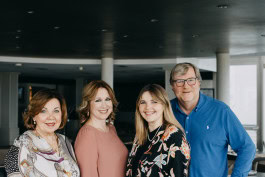
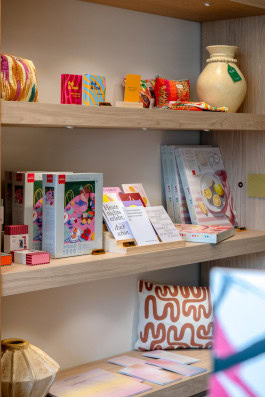
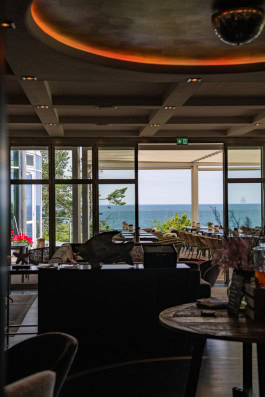
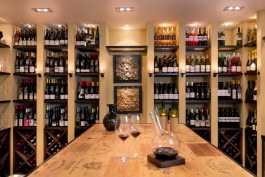
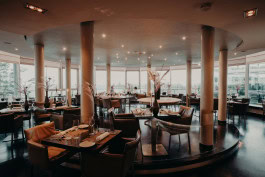
We were staying at the Strandhotel Ostseeblick in Heringsdorf, a place that feels closely connected to both the island and its own history. The hotel dates back to 1936, when it first became part of the Wehrmann family, and after being expropriated during the DDR era, it was only returned decades later, in 1996. This history of loss, return, and reinvention continues to shape the spirit of the house today. Its philosophy, captured in the words “Never stop dreaming,” reflects not only resilience but also a forward-looking openness that can be felt throughout the space.
What makes the concept particularly interesting is that it extends beyond a single hotel. The family has created three distinct experiences, each with its own character. The Strandhotel Ostseeblick focuses on wellness, retreat, and panoramic sea views, while Villa Usedom offers a more independent, spacious setting suited for families or longer stays. BOJE06, in contrast, brings a lighter, more playful, and lifestyle-oriented atmosphere that appeals to a younger audience. Together, they form a small universe that allows guests to choose an experience that feels personal and aligned with their own rhythm.
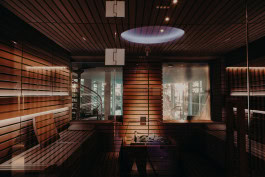
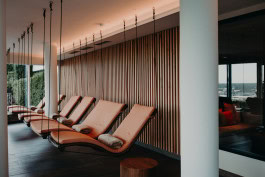
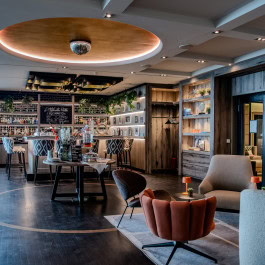

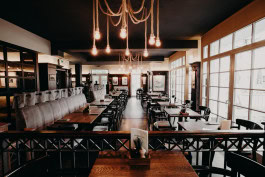

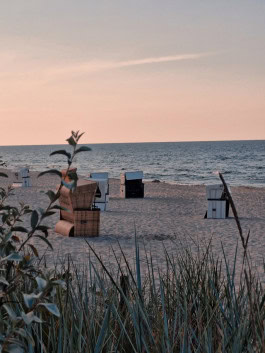
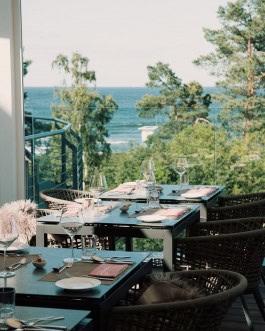
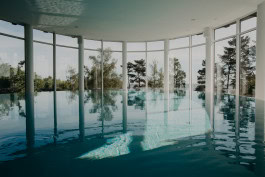
At the center of the Strandhotel Ostseeblick lies its wellness concept, MEERness, which takes a different approach from many contemporary spa destinations. Instead of importing global trends, it builds on local resources and traditions, using elements such as sea salt, sanddorn, honey, algae, and mineral-rich regional ingredients. The Baltic Sea is not just a backdrop but becomes an active part of the experience, with a panoramic pool opening toward the horizon and spa spaces designed to maintain a constant connection to the surrounding nature. This creates an understanding of wellness that is less about performance and more about presence.
Â
After a few days in this environment, a subtle shift begins to take place. Walking becomes more frequent, sleep deepens, and thoughts slow down, moving away from rigid schedules toward more intuitive moments. Reading returns, observation sharpens, and breathing becomes more conscious, gradually altering the internal rhythm without force.
Â
The Baltic Sea carries a quiet kind of romance that extends beyond the summer months. It is a place defined by contrasts, where freshness meets warmth, calm coexists with subtle energy, and simplicity reveals a deeper atmosphere. Returning to Berlin after such a stay, the contrast becomes more pronounced. The noise, the pace, and the density remain the same, but something internal has shifted. A different rhythm lingers, accompanied by a calmer breath and a quiet awareness that not everything needs to move so fast.Â
Perhaps this is what defines luxury today, not the act of going further away, but the ability to go deeper, and sometimes that is only a few hours from the city.
Related Articles:

And yet, just a few hours away, there is a completely different rhythm. It is a place where the air feels lighter, where movement becomes softer, and where time seems to stretch, not because there is less to do, but because there is less pressure to do anything at all. This is the Baltic Sea.
Â
One of the quiet luxuries of Berlin is its proximity to nature. You do not need to cross continents to feel far away, as within just a few hours the city dissolves into open landscapes, long horizons, and a kind of silence that feels almost unfamiliar at first. The Baltic Sea coastline is vast and offers many different destinations, each with its own character. This time, we chose Heringsdorf on the island of Usedom, one of the largest islands in Europe and widely known as Germany’s sunniest spot.
Â
Heringsdorf, part of the historic Kaiserbäder, carries a sense of quiet elegance that feels both refined and grounded. It is known for its long promenade, which invites extended walks and bicycle rides along the sea, as well as for its iconic pier, one of the longest in Europe, stretching far into the horizon.Â
Evenings unfold slowly here, with soft light, pastel skies, and sunsets that feel expansive in a way that is difficult to find in the city. A defining element of the region is sanddorn, or sea buckthorn, a bright orange berry rich in vitamins with a distinctive tart flavor. It appears everywhere, from teas to hot juices and even spa treatments, becoming a subtle but powerful detail that connects nature, taste, and wellbeing.


As Southern Europe faces increasingly extreme heat waves, a new travel trend is emerging: coolcation, the idea of choosing destinations where summer remains breathable. The Baltic Sea offers exactly this. The wind is constant, the air moves freely, mornings feel fresh, and evenings carry a gentle coolness. Even on warmer days, the sea creates a natural balance, making the climate feel livable rather than overwhelming.
Â
What makes Usedom particularly special is not only its coastline, with beaches stretching endlessly in soft, pale sand, but also the combination of landscapes. On one side lies the open sea, expansive and grounding, while on the other, pine forests provide shaded stillness and quiet paths. This duality changes the way you move, encouraging bicycles over cars, walking over rushing, and a more intuitive rhythm over rigid planning.
Long before longevity became a trend, people came to the Baltic Sea for their health. The air, rich in iodine and sea aerosols, was known to support respiratory healing, attracting visitors seeking recovery, rest, and renewal. Even Maxim Gorky spent time on Usedom for this reason. Today, this idea feels more relevant than ever. In a world defined by constant stimulation, the ability to breathe deeply, walk for hours, and allow the nervous system to settle has become a new kind of luxury, one that is not immediately visible but deeply felt.


We were staying at the Strandhotel Ostseeblick in Heringsdorf, a place that feels closely connected to both the island and its own history. The hotel dates back to 1936, when it first became part of the Wehrmann family, and after being expropriated during the DDR era, it was only returned decades later, in 1996. This history of loss, return, and reinvention continues to shape the spirit of the house today. Its philosophy, captured in the words “Never stop dreaming,” reflects not only resilience but also a forward-looking openness that can be felt throughout the space.
What makes the concept particularly interesting is that it extends beyond a single hotel. The family has created three distinct experiences, each with its own character. The Strandhotel Ostseeblick focuses on wellness, retreat, and panoramic sea views, while Villa Usedom offers a more independent, spacious setting suited for families or longer stays. BOJE06, in contrast, brings a lighter, more playful, and lifestyle-oriented atmosphere that appeals to a younger audience. Together, they form a small universe that allows guests to choose an experience that feels personal and aligned with their own rhythm.


At the center of the Strandhotel Ostseeblick lies its wellness concept, MEERness, which takes a different approach from many contemporary spa destinations. Instead of importing global trends, it builds on local resources and traditions, using elements such as sea salt, sanddorn, honey, algae, and mineral-rich regional ingredients. The Baltic Sea is not just a backdrop but becomes an active part of the experience, with a panoramic pool opening toward the horizon and spa spaces designed to maintain a constant connection to the surrounding nature. This creates an understanding of wellness that is less about performance and more about presence.
Â
After a few days in this environment, a subtle shift begins to take place. Walking becomes more frequent, sleep deepens, and thoughts slow down, moving away from rigid schedules toward more intuitive moments. Reading returns, observation sharpens, and breathing becomes more conscious, gradually altering the internal rhythm without force.
Â
The Baltic Sea carries a quiet kind of romance that extends beyond the summer months. It is a place defined by contrasts, where freshness meets warmth, calm coexists with subtle energy, and simplicity reveals a deeper atmosphere. Returning to Berlin after such a stay, the contrast becomes more pronounced. The noise, the pace, and the density remain the same, but something internal has shifted. A different rhythm lingers, accompanied by a calmer breath and a quiet awareness that not everything needs to move so fast.Â
Perhaps this is what defines luxury today, not the act of going further away, but the ability to go deeper, and sometimes that is only a few hours from the city.

Related Articles:
 ABOUT         CONTACT         INSTAGRAM         DATA PRIVACY         IMPRINT
You need to load content from reCAPTCHA to submit the form. Please note that doing so will share data with third-party providers.
More InformationYou need to load content from Turnstile to submit the form. Please note that doing so will share data with third-party providers.
More InformationYou are currently viewing a placeholder content from Facebook. To access the actual content, click the button below. Please note that doing so will share data with third-party providers.
More InformationYou are currently viewing a placeholder content from Instagram. To access the actual content, click the button below. Please note that doing so will share data with third-party providers.
More InformationYou need to load content from hCaptcha to submit the form. Please note that doing so will share data with third-party providers.
More InformationYou need to load content from reCAPTCHA to submit the form. Please note that doing so will share data with third-party providers.
More InformationYou are currently viewing a placeholder content from Turnstile. To access the actual content, click the button below. Please note that doing so will share data with third-party providers.
More InformationYou are currently viewing a placeholder content from X. To access the actual content, click the button below. Please note that doing so will share data with third-party providers.
More Information