
There is a very specific moment when you leave Berlin. It doesn’t happen at the airport or at the train station. It happens later, somewhere between the last message and the first mountain. When the signal disappears. When the air shifts. When something inside you, almost unnoticed, slows down. And suddenly, you realize: you didn’t just leave the city. You left a rhythm. A few hours later, you arrive in the Zillertal - a valley in the Austrian Alps.
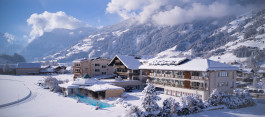
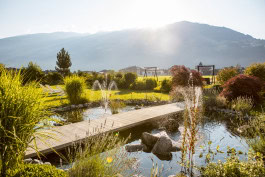
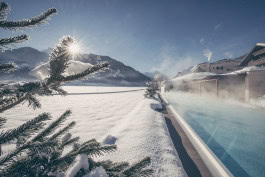
Wide meadows stretch out, framed by mountains that don’t try to impress - they simply exist. There is space here. Real space. Around 150,000 square meters of open land surround the hotel, creating a feeling that is less about landscape and more about breathing again.
You come here for the air. For the walking. For the mountains. But that’s not why you return.

ă…¤
Days here don’t follow a schedule, they unfold. You wake up slowly. You walk, not to achieve something, but just to move. Through forests, along streams, across alpine paths that stretch endlessly through the valley.
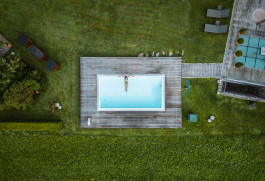
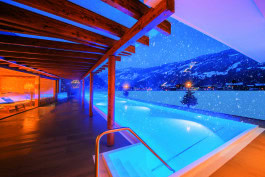
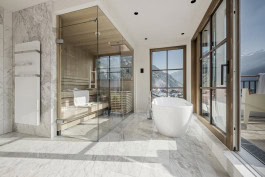
Later, you come back. You eat. You sit. Then you slip into warm water outside - steam rising into the mountain air and look out at a landscape that doesn’t ask anything from you. The pools are heated all year, the silence almost physical. Sauna. Stillness. Nothing more. And for the first time in a while, that feels like enough.
Â
There are many hotels in Tirol. But some places are not built - they are grown.
The Hotel Theresa is one of them. Family-run for more than 60 years, the house has been shaped step by step by the Egger family not through sudden reinvention, but through constant, quiet evolution. Everything here has been added, adjusted, improved over time. A tennis court became a pool. Spaces changed but the idea stayed the same: create a place people want to return to.
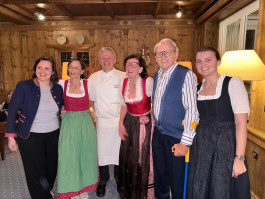
At the heart of it all is Theresia Egger - now in her 80s, yet present every evening, walking through the restaurant with quiet grace, stopping at every table, smiling, talking, joking. Just as she always did - together with her husband, Siegfried Egger, with whom she built this place from the very beginning.
They created the hotel side by side. Not as a project, but as a life.
When asked how she feels today, looking back, her answer is simple:
She is grateful. Grateful that they made it. That the family is still together. That the house is still alive.
“It was our life. It is our life.”
They started small, with around 50 beds, doing everything themselves.
“We really worked. From early in the morning until late at night.”
There was no system, no external structure, no support. They had to go out into the world, meet people, build relationships. Guests came through recommendations, through trust, through connection.
“You had to help yourself. Nobody helped us.”
When asked what strength means, especially as a woman of her generation,her answer is direct:
“To be honest. To be healthy. To be strong.”
No performance. No narrative. Just consistency.
Her role model was her father - disciplined, precise, reliable. Strength, in her world, is not loud. It is lived.
What becomes clear quickly is that this place is not built on design, but on values.
“Love. Faith. Education.”
These are the principles she passed on to her children and grandchildren and today, they shape the entire house. Because this is where the story continues.
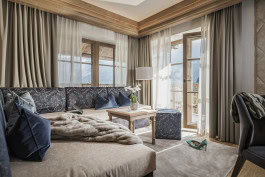
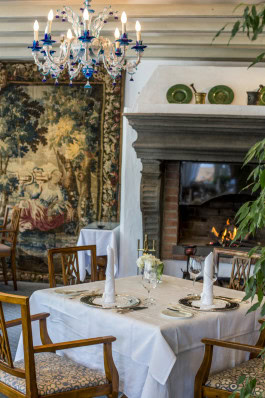
The hotel is now run by thw whole family of three generations, all actively involved in daily life. You feel it everywhere, in the way guests are greeted, in the small conversations, in the attention to detail. This is not a hotel managed from behind a desk. It is a house lived in. Each generation brings something of its own, while staying deeply rooted in the same idea: to create a place where people feel they belong.
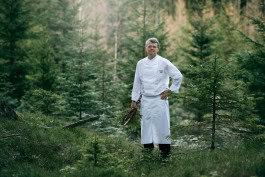
Her son, Stefan Egger, leads the kitchen and with it, the culinary identity of the house. And this is where tradition quietly meets a new way of thinking.
The cuisine at Theresa is deeply rooted in the region, but never heavy or predictable.
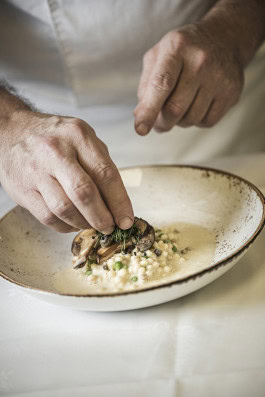
Stefan Egger’s approach is precise, thoughtful, and quietly modern. He works closely with local producers: milk from nearby farms, fish from regional waters, meat and game sourced with respect for the surrounding landscape.
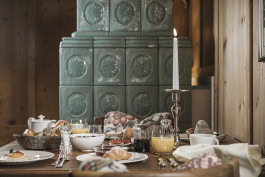
But what stands out is not just the origin, it’s the feeling after. Even after multiple courses, the food feels light. Clear. Balanced. It’s a kitchen that respects tradition, but doesn’t repeat it.
A perfect example is the now well-known “Zillertaler Sushi”, a reinterpretation that replaces imported ingredients with local ones, translating global ideas into a regional language. Playful, yet grounded. Exactly like the house itself.
Sustainability also here is not presented as a trend - it is part of how things have always been done. Working with local partners, respecting seasons, using resources consciously, these are not new ideas, but long-standing principles. The hotel evolves continuously, but always in harmony with its surroundings.
Â
And then, at some point in the evening, you understand what makes this place different.
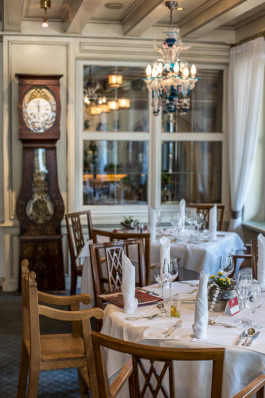
Theresia Egger moves from table to table. She speaks with guests. Remembers them.
Asks about their day. Not as a performance. As a habit.Â
“Guests are a family.”
This is something very specific to places like Tirol. Hospitality here is not transactional.
It is generational. People don’t just come once. They return. For years. Sometimes for decades. To the same place. The same people.
In Berlin, everything is about what’s next. New places. New concepts. New energy. Here, it’s the opposite. Things stay. And because they stay, they become meaningful.
Â
You go to Tirol for the mountains. For the walking and skiing. For the air. You go for the sauna, the pools, the silence. But you return for something else. For the feeling that time has a different weight. That someone remembers you. That nothing needs to be optimized.
And maybe that is the real luxury:To arrive somewhere and feel like you were expected. Or, in Theresias Egger’s words: “The house that remains.”
Related Articles:

There is a very specific moment when you leave Berlin. It doesn’t happen at the airport or at the train station. It happens later, somewhere between the last message and the first mountain. When the signal disappears. When the air shifts. When something inside you, almost unnoticed, slows down. And suddenly, you realize: you didn’t just leave the city. You left a rhythm. A few hours later, you arrive in the Zillertal - a valley in the Austrian Alps.
Wide meadows stretch out, framed by mountains that don’t try to impress - they simply exist. There is space here. Real space. Around 150,000 square meters of open land surround the hotel, creating a feeling that is less about landscape and more about breathing again.
You come here for the air. For the walking. For the mountains. But that’s not why you return.
ă…¤
Days here don’t follow a schedule, they unfold. You wake up slowly. You walk, not to achieve something, but just to move. Through forests, along streams, across alpine paths that stretch endlessly through the valley.
Later, you come back. You eat. You sit. Then you slip into warm water outside - steam rising into the mountain air and look out at a landscape that doesn’t ask anything from you. The pools are heated all year, the silence almost physical. Sauna. Stillness. Nothing more. And for the first time in a while, that feels like enough.
Â
There are many hotels in Tirol. But some places are not built - they are grown.
The Hotel Theresa is one of them. Family-run for more than 60 years, the house has been shaped step by step by the Egger family not through sudden reinvention, but through constant, quiet evolution. Everything here has been added, adjusted, improved over time. A tennis court became a pool. Spaces changed but the idea stayed the same: create a place people want to return to.


At the heart of it all is Theresia Egger - now in her 80s, yet present every evening, walking through the restaurant with quiet grace, stopping at every table, smiling, talking, joking. Just as she always did - together with her husband, Siegfried Egger, with whom she built this place from the very beginning.
They created the hotel side by side. Not as a project, but as a life.
When asked how she feels today, looking back, her answer is simple:
She is grateful. Grateful that they made it. That the family is still together. That the house is still alive.
“It was our life. It is our life.”
They started small, with around 50 beds, doing everything themselves.
“We really worked. From early in the morning until late at night.”
There was no system, no external structure, no support. They had to go out into the world, meet people, build relationships. Guests came through recommendations, through trust, through connection.
“You had to help yourself. Nobody helped us.”
When asked what strength means, especially as a woman of her generation,her answer is direct:
“To be honest. To be healthy. To be strong.”
No performance. No narrative. Just consistency.
Her role model was her father - disciplined, precise, reliable. Strength, in her world, is not loud. It is lived.
What becomes clear quickly is that this place is not built on design, but on values.
“Love. Faith. Education.”
These are the principles she passed on to her children and grandchildren and today, they shape the entire house. Because this is where the story continues.
The hotel is now run by thw whole family of three generations, all actively involved in daily life. You feel it everywhere, in the way guests are greeted, in the small conversations, in the attention to detail. This is not a hotel managed from behind a desk. It is a house lived in. Each generation brings something of its own, while staying deeply rooted in the same idea: to create a place where people feel they belong.
Her son, Stefan Egger, leads the kitchen and with it, the culinary identity of the house. And this is where tradition quietly meets a new way of thinking.


The cuisine at Theresa is deeply rooted in the region, but never heavy or predictable.
Stefan Egger’s approach is precise, thoughtful, and quietly modern. He works closely with local producers: milk from nearby farms, fish from regional waters, meat and game sourced with respect for the surrounding landscape.
But what stands out is not just the origin, it’s the feeling after. Even after multiple courses, the food feels light. Clear. Balanced. It’s a kitchen that respects tradition, but doesn’t repeat it.
A perfect example is the now well-known “Zillertaler Sushi”, a reinterpretation that replaces imported ingredients with local ones, translating global ideas into a regional language. Playful, yet grounded. Exactly like the house itself.
Sustainability also here is not presented as a trend - it is part of how things have always been done. Working with local partners, respecting seasons, using resources consciously, these are not new ideas, but long-standing principles. The hotel evolves continuously, but always in harmony with its surroundings.
Â
And then, at some point in the evening, you understand what makes this place different.
Theresia Egger moves from table to table. She speaks with guests. Remembers them.
Asks about their day. Not as a performance. As a habit.Â
“Guests are a family.”
This is something very specific to places like Tirol. Hospitality here is not transactional.
It is generational. People don’t just come once. They return. For years. Sometimes for decades. To the same place. The same people.


In Berlin, everything is about what’s next. New places. New concepts. New energy. Here, it’s the opposite. Things stay. And because they stay, they become meaningful.
Â
You go to Tirol for the mountains. For the walking and skiing. For the air. You go for the sauna, the pools, the silence. But you return for something else. For the feeling that time has a different weight. That someone remembers you. That nothing needs to be optimized.
And maybe that is the real luxury:To arrive somewhere and feel like you were expected. Or, in Theresias Egger’s words: “The house that remains.”


Related Articles:
 ABOUT         CONTACT         INSTAGRAM         DATA PRIVACY         IMPRINT
You need to load content from reCAPTCHA to submit the form. Please note that doing so will share data with third-party providers.
More InformationYou need to load content from Turnstile to submit the form. Please note that doing so will share data with third-party providers.
More InformationYou are currently viewing a placeholder content from Facebook. To access the actual content, click the button below. Please note that doing so will share data with third-party providers.
More InformationYou are currently viewing a placeholder content from Instagram. To access the actual content, click the button below. Please note that doing so will share data with third-party providers.
More InformationYou need to load content from hCaptcha to submit the form. Please note that doing so will share data with third-party providers.
More InformationYou need to load content from reCAPTCHA to submit the form. Please note that doing so will share data with third-party providers.
More InformationYou are currently viewing a placeholder content from Turnstile. To access the actual content, click the button below. Please note that doing so will share data with third-party providers.
More InformationYou are currently viewing a placeholder content from X. To access the actual content, click the button below. Please note that doing so will share data with third-party providers.
More Information