
As a discipline, fashion cannot be defined multi-dimensionally: beyond just how fabrics are cut and sewn, construction, and craftsmanship, the dressing behaviors that capture the zeitgeist and keep a finger on the sociopolitical pulse also lie at the core of this ecosystem. Precisely because of this, no city can transform into a fashion capital simply through a few fashion week organizations and manufacturing success. The city residents and global fashion authorities must also approve, internalize, and interpret their identification with the city's fashion culture.
Berlin Fashion Week was held for the very first time in the German capital exactly nineteen years ago: appearing before us with 39 editions since 2007, the organization developed the bond between both the city and the country with fashion through baby steps in its early years, taking on a new dimension in 2015 with the Fashion Council Germany joining the process. Along with the unexpected transformation into a fashion capital process of Copenhagen, just to the north of the country, the target or perhaps the destiny for Berlin was now clear: to establish itself as the sixth capital of fashion in the changing dynamics of the era.

Of course, many developments have taken place in this direction since that day. Always carrying itself one step forward with formats supporting emerging designers like state subsidies, the VOGUE/FCG fund, and Berlin Curated, perhaps the final criterion required for Berlin Fashion Week to transform into a fashion capital was to find its own identity: trying to find a two-headed balance over the last five-year period with brands that sometimes salute Nordic sustainability like Avenir, and sometimes embrace Berlin sex-positivity like Namilia, BFW has perhaps approached finding its own identity for the first time this closely with the SS27 edition it showcased last week.
In a season showcasing promising designers through the Berlin Curated, RAUM, and Der Berliner Salon formats, AI interventions also came from designers like Esther Perbandt; this season at BFW , which was once shaped along the Nordic minimalism-grungy sex positivity spectrum, technology and craftsmanship emerged as the game-changers. However, the development of BFW’s, and therefore Berlin’s style DNA, can be defined by more significant milestones. We had a recap of five factors structuring Berlin's identity through five inspiring shows of the season.
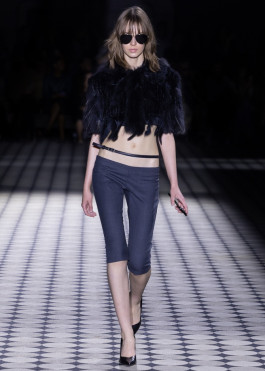
With the emergence of SF1OG on the scene in 2019, Berlin style discovered that it could narrate its out-of-the-line aesthetic not only with ultra-avant-garde and sex-positive nuances but also with the rebellious power of indie sleaze. Although SF1OG is discovering new heights of success these days, UNVAIN, which joined the BFW world last season with its debut show, seems to be taking over the role in the urban interpretation of this aesthetic.
Presenting exactly 27 looks at the show held at ICC, one of Berlin’s most popular retro-futuristic structures, the brand experienced a visible departure from its visionlast season. And frankly, it’s a good thing it did.
Overthrowing the perception of "high potential but struggling to realize itself" with the repetitive pieces and caught-in-between identity it presented in the AW26 season, designer Robert Friedrichs puts forth a true manifesto of rebellion with SS27: reuniting us with 90s Kate Moss through fur-detailed cropped knits, ripped stonewashed jeans, capris, and distressed band tees, the favorite piece of the season at UNVAIN is undoubtedly the sheer skirt suit.
The brand, which did not yield a very convincing result regarding its craftsmanship last season, is almost showing off this season: while personally shaping Berlin’s indie sleaze spirit, it brings together pieces that are both suitable for daily wear and statement-making. Was it a bit too La Famiglia by Gucci? Frankly, yes. Did we still love it? Frankly, obsessed. In these days when Tumblr aesthetics are rising so high on the global fashion scene, it looks like we will all watch UNVAIN's transformation into a global brand together.
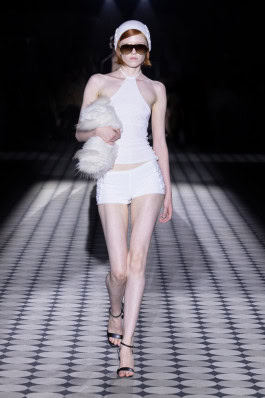
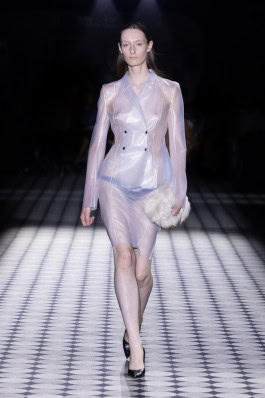
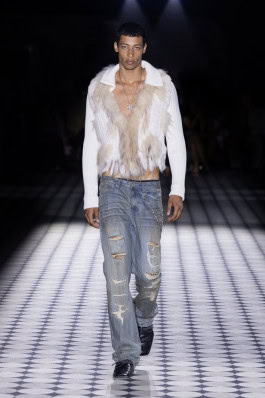
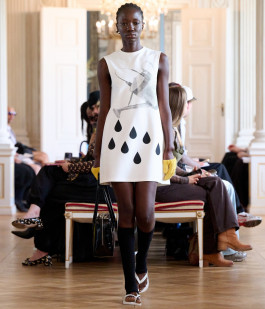
Perhaps the most accurate step Berlin took while searching for its fashion identity was giving a voice to designers who emphasize that, contrary to popular belief, Berliner style does not consist solely of all-black, and that its true essence is hidden in creativity.
If you follow Berlin’s fashion scene, you already know Central Saint Martins graduate Andrej Gronau: transforming fashion into a playground with his highly youthful, highly colorful world, Gronau continued this tradition in SS27.
Bringing together the vibrant colors and color-blocking techniques we also see in global fashion houses at his Berlin runway show, the designer, as if saluting the much-talked-about print-maxxing trend of recent times, brought together unexpected silhouettes and eye-catching colors with raindrops, cat illustrations, and flowers, connecting the already surprised audience with a modern narrative.
Andrej Gronau is already one of the most reputable designers in the city; moreover, it has been only four years since he launched his brand. Despite this, he leaves no doubt that his name will grow and that he will be one of the shapers sitting in the front row during the days when Berlin breaks away from the all black stereotype and fully achieves its own identity.
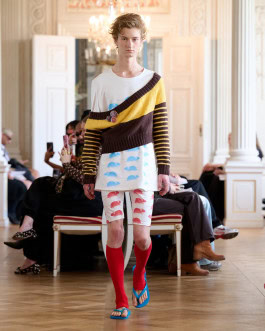
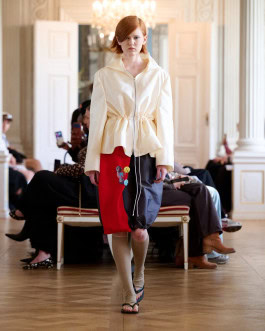
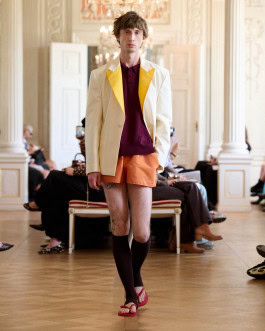
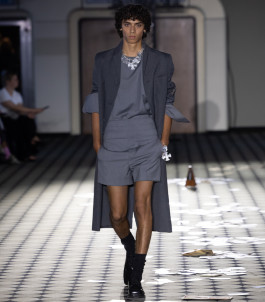
Every woman wants to wear a Vivienne Westwood wedding dress at her wedding. We suppose for Berlin gentlemen, this will soon be adapted as a MARKE suit. Cologne-based MARKE was founded by Mario Keine in 2022. In just three years, it created a legacy reaching not only Berlin but also Paris Fashion Week.
Its trademark is quite clear: high-level tailoring. Granted, there is no one who doesn't know the Germans' success in technique and architecture, but when it comes to tailoring, MARKE’s legacy added fashion competence to this duo. Actually shaping classic gentlemen looks with a magnificent romanticism and unexpected silhouettes, Keine’s world reveals Berlin's approach to elegance quite clearly.
Re-envisioning refinement with high collars, cuffs, and scarf details in the SS27 collection, the designer enriched the globally rising folkloric touch trend with jewelry and details adorned with Central Europe's unique crosses. It is not difficult to call MARKE, which always manages to create a unique narrative with its construct-deconstructroute, the future of German tailoring, especially considering that it embodies the pulse of German tailoring nowadays.
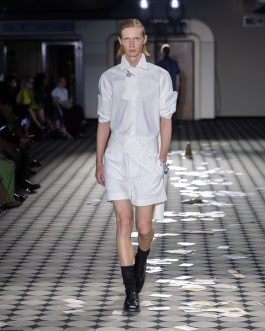
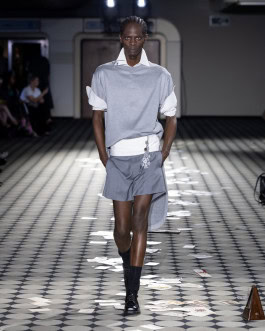
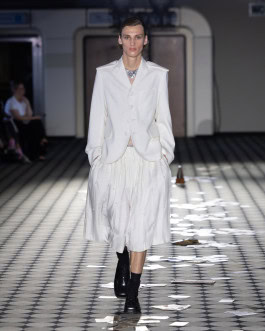
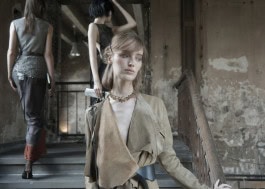
If you can easily recognize a brand from a design at Berlin Fashion Week after so many seasons spent searching for identity, it most likely belongs to Milk of Lime. What happens when a Belgian and a German join forces? Both graduates of the Royal Academy of Fine Arts Antwerp, the designers of Milk of Lime carry the flag in the city's fashion narrative with their designs that constantly wink at the Antwerp Six, the primary inspirations of Berlin street style.
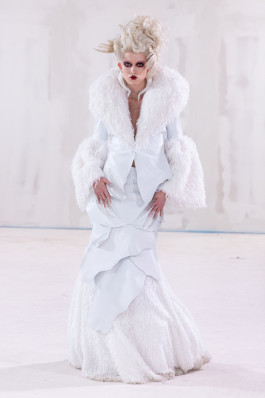
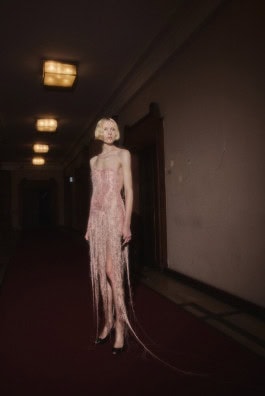
Shaping the fashion world with fluctuations between heavy-light materials, past-future, and romanticism-harshness, one of the most eye-catching aspects of the brand, alongside its creative power, is its excellence in craft: creating an excellently crafted visual integrity born from contrasts with tulles, leathers, fringes, knits, and more in their SS27 collections, Milk of Lime is the number one in the city for consistency in identity. Taking elegance out of its context and becoming the face of avant-garde Berlin fashion, it is an undeniable fact for the two designers that not only global success is on the horizon, but they are also positioning themselves as the number one defining force in Berlin's transformation into a fashion capital as a city.
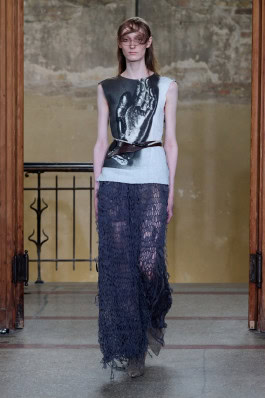
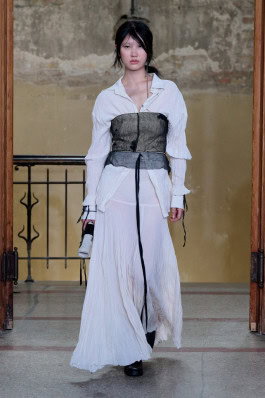
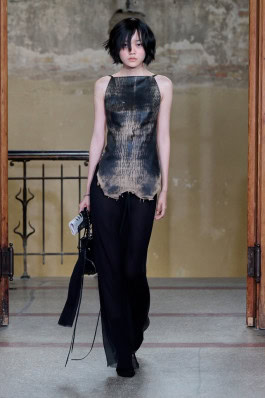
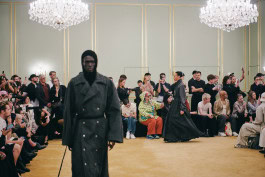
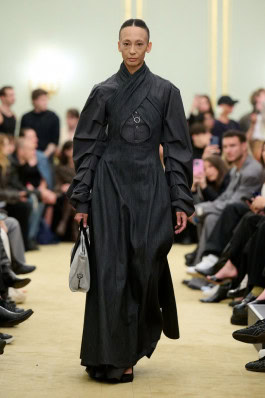
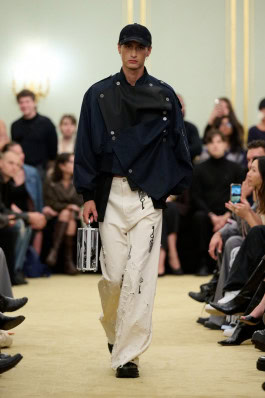
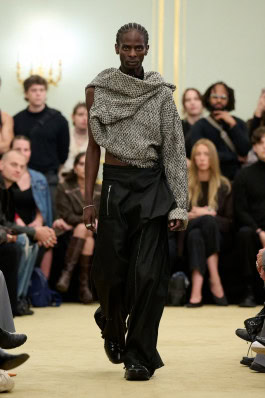
Highly talked about every season for the show venues they choose, Haderlump Atelier Berlin met with fashion lovers at the historic Hotel Adlon Kempinski this season, following Berliner Flughafen Tempelhof and Wintergarten Varieté. Although the majority points to craftsmanship as an essential in Haderlump’s brand identity, which raises its momentum a bit more every season, in my opinion, the aesthetic world they create comes ahead of this: it’s a uniform situation. Melting down and reshaping power dressing in its own pot with jackets, trenches, and suits shaped by form games, Haderlump is for those who avoid ultra-avant-garde designs in Berlin’s style DNA but are nevertheless searching to capture an edgy elegance.
As a brand clearly maintaining consistency, Haderlump becomes a new but familiar breath of fresh air to Berlin fashion with its unique pieces becoming uniforms each season, yet unfortunately, there is also a negative area where it maintains its consistency: the dresses. Even if it was intentional, almost every season we encounter dresses that weaken the brand's super-refined and well-established stance. I think that in the upcoming season, either greater attention should be paid to these dresses, where deconstruction processes are most likely completed without complementing each other much, or the brand should rid itself of dresses entirely and position itself on the reimagined formalwear line. As one of Berlin’s most prestigious brands literally gallops towards the future, ridding itself of its weaknesses at all costs will be important not only for the brand but also for the city to realize its own potential.
Related Articles:

As a discipline, fashion cannot be defined multi-dimensionally: beyond just how fabrics are cut and sewn, construction, and craftsmanship, the dressing behaviors that capture the zeitgeist and keep a finger on the sociopolitical pulse also lie at the core of this ecosystem. Precisely because of this, no city can transform into a fashion capital simply through a few fashion week organizations and manufacturing success. The city residents and global fashion authorities must also approve, internalize, and interpret their identification with the city's fashion culture.
Berlin Fashion Week was held for the very first time in the German capital exactly nineteen years ago: appearing before us with 39 editions since 2007, the organization developed the bond between both the city and the country with fashion through baby steps in its early years, taking on a new dimension in 2015 with the Fashion Council Germany joining the process. Along with the unexpected transformation into a fashion capital process of Copenhagen, just to the north of the country, the target or perhaps the destiny for Berlin was now clear: to establish itself as the sixth capital of fashion in the changing dynamics of the era.
Of course, many developments have taken place in this direction since that day. Always carrying itself one step forward with formats supporting emerging designers like state subsidies, the VOGUE/FCG fund, and Berlin Curated, perhaps the final criterion required for Berlin Fashion Week to transform into a fashion capital was to find its own identity: trying to find a two-headed balance over the last five-year period with brands that sometimes salute Nordic sustainability like Avenir, and sometimes embrace Berlin sex-positivity like Namilia, BFW has perhaps approached finding its own identity for the first time this closely with the SS27 edition it showcased last week.
In a season showcasing promising designers through the Berlin Curated, RAUM, and Der Berliner Salon formats, AI interventions also came from designers like Esther Perbandt; this season at BFW , which was once shaped along the Nordic minimalism-grungy sex positivity spectrum, technology and craftsmanship emerged as the game-changers. However, the development of BFW’s, and therefore Berlin’s style DNA, can be defined by more significant milestones. We had a recap of five factors structuring Berlin's identity through five inspiring shows of the season.

With the emergence of SF1OG on the scene in 2019, Berlin style discovered that it could narrate its out-of-the-line aesthetic not only with ultra-avant-garde and sex-positive nuances but also with the rebellious power of indie sleaze. Although SF1OG is discovering new heights of success these days, UNVAIN, which joined the BFW world last season with its debut show, seems to be taking over the role in the urban interpretation of this aesthetic.
Presenting exactly 27 looks at the show held at ICC, one of Berlin’s most popular retro-futuristic structures, the brand experienced a visible departure from its visionlast season. And frankly, it’s a good thing it did.
Overthrowing the perception of "high potential but struggling to realize itself" with the repetitive pieces and caught-in-between identity it presented in the AW26 season, designer Robert Friedrichs puts forth a true manifesto of rebellion with SS27: reuniting us with 90s Kate Moss through fur-detailed cropped knits, ripped stonewashed jeans, capris, and distressed band tees, the favorite piece of the season at UNVAIN is undoubtedly the sheer skirt suit.
The brand, which did not yield a very convincing result regarding its craftsmanship last season, is almost showing off this season: while personally shaping Berlin’s indie sleaze spirit, it brings together pieces that are both suitable for daily wear and statement-making. Was it a bit too La Famiglia by Gucci? Frankly, yes. Did we still love it? Frankly, obsessed. In these days when Tumblr aesthetics are rising so high on the global fashion scene, it looks like we will all watch UNVAIN's transformation into a global brand together.


Perhaps the most accurate step Berlin took while searching for its fashion identity was giving a voice to designers who emphasize that, contrary to popular belief, Berliner style does not consist solely of all-black, and that its true essence is hidden in creativity.
If you follow Berlin’s fashion scene, you already know Central Saint Martins graduate Andrej Gronau: transforming fashion into a playground with his highly youthful, highly colorful world, Gronau continued this tradition in SS27.
Bringing together the vibrant colors and color-blocking techniques we also see in global fashion houses at his Berlin runway show, the designer, as if saluting the much-talked-about print-maxxing trend of recent times, brought together unexpected silhouettes and eye-catching colors with raindrops, cat illustrations, and flowers, connecting the already surprised audience with a modern narrative.
Andrej Gronau is already one of the most reputable designers in the city; moreover, it has been only four years since he launched his brand. Despite this, he leaves no doubt that his name will grow and that he will be one of the shapers sitting in the front row during the days when Berlin breaks away from the all black stereotype and fully achieves its own identity.


Every woman wants to wear a Vivienne Westwood wedding dress at her wedding. We suppose for Berlin gentlemen, this will soon be adapted as a MARKE suit. Cologne-based MARKE was founded by Mario Keine in 2022. In just three years, it created a legacy reaching not only Berlin but also Paris Fashion Week.
Its trademark is quite clear: high-level tailoring. Granted, there is no one who doesn't know the Germans' success in technique and architecture, but when it comes to tailoring, MARKE’s legacy added fashion competence to this duo. Actually shaping classic gentlemen looks with a magnificent romanticism and unexpected silhouettes, Keine’s world reveals Berlin's approach to elegance quite clearly.
Re-envisioning refinement with high collars, cuffs, and scarf details in the SS27 collection, the designer enriched the globally rising folkloric touch trend with jewelry and details adorned with Central Europe's unique crosses. It is not difficult to call MARKE, which always manages to create a unique narrative with its construct-deconstructroute, the future of German tailoring, especially considering that it embodies the pulse of German tailoring nowadays.


If you can easily recognize a brand from a design at Berlin Fashion Week after so many seasons spent searching for identity, it most likely belongs to Milk of Lime. What happens when a Belgian and a German join forces? Both graduates of the Royal Academy of Fine Arts Antwerp, the designers of Milk of Lime carry the flag in the city's fashion narrative with their designs that constantly wink at the Antwerp Six, the primary inspirations of Berlin street style.
Shaping the fashion world with fluctuations between heavy-light materials, past-future, and romanticism-harshness, one of the most eye-catching aspects of the brand, alongside its creative power, is its excellence in craft: creating an excellently crafted visual integrity born from contrasts with tulles, leathers, fringes, knits, and more in their SS27 collections, Milk of Lime is the number one in the city for consistency in identity. Taking elegance out of its context and becoming the face of avant-garde Berlin fashion, it is an undeniable fact for the two designers that not only global success is on the horizon, but they are also positioning themselves as the number one defining force in Berlin's transformation into a fashion capital as a city.


Highly talked about every season for the show venues they choose, Haderlump Atelier Berlin met with fashion lovers at the historic Hotel Adlon Kempinski this season, following Berliner Flughafen Tempelhof and Wintergarten Varieté. Although the majority points to craftsmanship as an essential in Haderlump’s brand identity, which raises its momentum a bit more every season, in my opinion, the aesthetic world they create comes ahead of this: it’s a uniform situation. Melting down and reshaping power dressing in its own pot with jackets, trenches, and suits shaped by form games, Haderlump is for those who avoid ultra-avant-garde designs in Berlin’s style DNA but are nevertheless searching to capture an edgy elegance.
As a brand clearly maintaining consistency, Haderlump becomes a new but familiar breath of fresh air to Berlin fashion with its unique pieces becoming uniforms each season, yet unfortunately, there is also a negative area where it maintains its consistency: the dresses. Even if it was intentional, almost every season we encounter dresses that weaken the brand's super-refined and well-established stance. I think that in the upcoming season, either greater attention should be paid to these dresses, where deconstruction processes are most likely completed without complementing each other much, or the brand should rid itself of dresses entirely and position itself on the reimagined formalwear line. As one of Berlin’s most prestigious brands literally gallops towards the future, ridding itself of its weaknesses at all costs will be important not only for the brand but also for the city to realize its own potential.


Related Articles:
 ABOUT         CONTACT         INSTAGRAM         DATA PRIVACY         IMPRINT
You need to load content from reCAPTCHA to submit the form. Please note that doing so will share data with third-party providers.
More InformationYou need to load content from Turnstile to submit the form. Please note that doing so will share data with third-party providers.
More InformationYou are currently viewing a placeholder content from Facebook. To access the actual content, click the button below. Please note that doing so will share data with third-party providers.
More InformationYou are currently viewing a placeholder content from Instagram. To access the actual content, click the button below. Please note that doing so will share data with third-party providers.
More InformationYou need to load content from hCaptcha to submit the form. Please note that doing so will share data with third-party providers.
More InformationYou need to load content from reCAPTCHA to submit the form. Please note that doing so will share data with third-party providers.
More InformationYou are currently viewing a placeholder content from Turnstile. To access the actual content, click the button below. Please note that doing so will share data with third-party providers.
More InformationYou are currently viewing a placeholder content from X. To access the actual content, click the button below. Please note that doing so will share data with third-party providers.
More Information