

It balances your dosha (the unique mind-body constitution) – Vata, Pitta, and Kapha. Since Ayurveda’s arrival in Berlin in the 1980s and 1990s, it recommends emphasizing relaxation, massages, and, of course, diet as part of our daily routine.
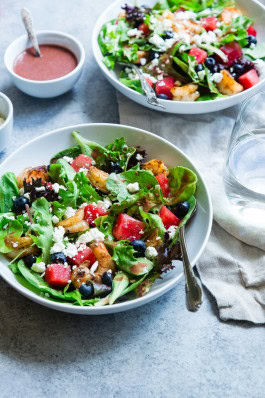
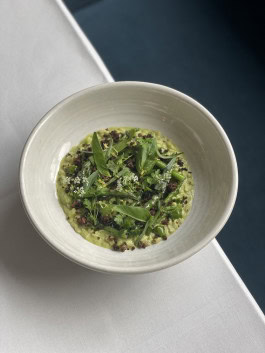
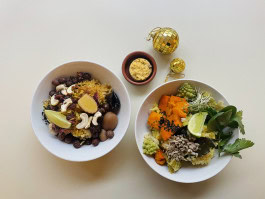
The Ayurvedic diet recommends seasonal, local, and freshly prepared unprocessed foods. Berliners can enjoy slow, warm meals tempered with ghee (clarified butter) and mild spices, such as cumin, turmeric, fennel seeds, and coriander. Ayurvedic cooking also prescribes a mindful process, a non-distracting eating environment, and eating with one’s hands. People enjoy it as a self-care practice for a long and healthy life. It is paired with other wellness initiatives common in India, such as yoga and meditation.
Despite the distance and cultural differences, Berlin’s naturopathy and India’s Ayurvedic cooking have more similarities than we realize. While Ayurveda aims for prevention over treatment, naturopathy has traditional, nature-based therapies for people with chronic health conditions. It prioritizes proper mealtimes and intentional eating practices: a contrast to modern, hurried meals, with locally sourced food, slower cooking, longer chewing, no digital distractions, and gratitude.

Though Ayurvedic cooking classes have gained popularity in Europe, the risks of commercialization have increased. Furthermore, one must ensure that the cooking course they join has relevant qualifications and that they understand dietary restrictions and allergens. The right cooking workshops teach participants to prepare Ayurvedic meals using locally sourced ingredients in Berlin, while introducing intentional eating practices – a moment of cultural exchange.
Participants prepare the quintessential Indian comfort food, kitchari with ghee and tadka (spice tempering). They understand the six-taste philosophy: sweet, sour, pungent, astringent, bitter, and salty. They learn about the doshas, choose ingredients, and cook meals according to the season. Cooking workshops focus on Ayurveda’s slow-cooking process, gratitude, the five senses, communal dining, and one’s daily routines.
If you’re interested in joining workshops, here are our recommendations in the city:
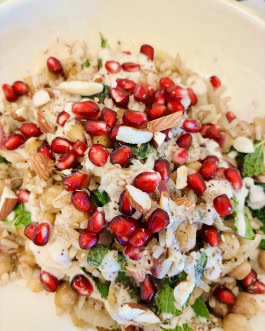
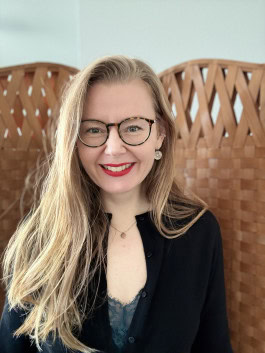
Brigitta started Bio-Kochschule in 2012 in Kladow, on the outskirts of Berlin. She describes her school as a place where one ‘cooks for the body, mind, and soul’. She offers a complete course on Ayurvedic cooking in her kitchen, including collecting herbs and flowers from the in-house garden. The ambiance is warm and welcoming, with large tables where participants work with grains, vegetables, and natural spices to create heartwarming meals.
She teaches the holistic science behind Ayurveda, correctly preparing herbs and spices, and planning full-course meals for friends and family. To instill a habit of healthy eating in the next generation, Brigitta also offers experiential cooking courses to children and young adults. One can book her culinary classes for small groups of family, friends, and corporate circles.
Address: Imchenallee 21d, 14089 Berlin-Kladow
Contact: +49 (0)30 312 55 30
E-Mail: mail@heilpraxiskarbe.de, mail@bio-kochschulekarbe.de
Armed with a nutrition certification in Germany, Merle Annika was introduced to Ayurveda during her time in Sri Lanka and India. She says that she found an answer that changed her personal beliefs, after years of struggling with dietary and nutrition trends that she did not enjoy. She translated her knowledge into live interactive sessions online, where she works with simple ingredients and makes small adjustments to make flavorful, healthy meals.
Participants receive a downloadable shopping list and preparation guide when they receive a booking confirmation. They are encouraged to ask questions in real time, according to their individual requirements, cooking skills, and what they have in the kitchen. After the class, they receive the recipe in their email. Her cooking classes are for those who want to improve their weight, hormonal balance, and digestion, and also those who want to build a healthier connection with food.
Contact: +49 1520 307 4858
E-Mail: consulting@easyplantfood.com
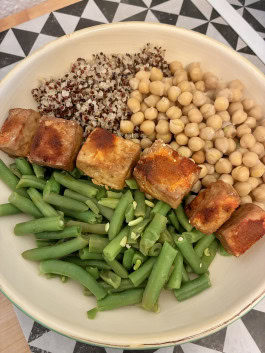
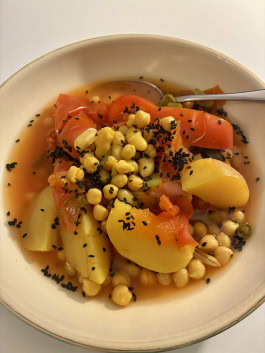
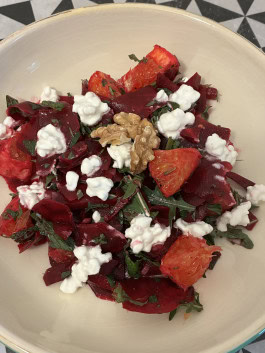
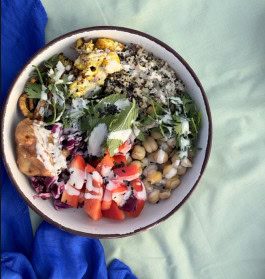
Kristina Clemenz, also known as Tina, holds Ayurvedic-inspired cooking classes based on her experience of ten years. She has followed the philosophy herself and aims to make her workshops simple, practical, and universal to all. After an introduction, Tina focuses on guiding the participants to prepare a wholesome and seasonal diet using organic ingredients. Her four-hour workshop invites like-minded people to cook in an appreciative atmosphere. She encourages questions after the shared meal is complete, allowing her students to integrate Ayurvedic dietary principles into their everyday lives.
After the classes end, participants receive an e-book containing the cooking class recipes and information about plant-based nutrition. These workshops can be held as team events, Christmas parties, or a closed cooking class group. Tina does not conduct individual dosha determination as she teaches the basics of Ayurvedic cuisine based on the seasons. Ingredients, recipes, and cooking utensils are included in the course.
Address: Alsenstraße 40, 14109 Berlin, Germany
Contact: 015209162293
E-Mail: hello@ayurkaya.de
Knut Kunde comes from Potsdam and holds a high school diploma in nutritional ecotrophology, further working in kitchens all around the globe. He started practicing yoga after a seven-month-long world tour, after which he completed an apprenticeship in Ayurveda with Juri Dischinger. Kunde’s four-hour Ayurvedic cooking workshop teaches participants to prepare meals with aromatic spices, organic ingredients, and in the right combinations. He further guides participants on the three doshas, food, and spices as a professional chef.
Ayurveda Kunde’s classes are vegetarian and vegan-oriented. After a booking confirmation, Kunde brings the ingredients and utensils not available to the participant’s household. The menu usually includes spiced tea, ghee, appetizers, main course, and dessert. After the shared meal is prepared, participants can ask questions about Ayurveda. Later, they will have the recipe and course instructions for future use.
Address: Gutenbergstraße 89, 14467 Potsdam
Contact: 0179 529 94 75
E-Mail: info@ayurvedakunde.de
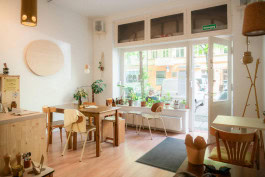
If you want to try out Ayurvedic cuisine yourself before committing to a cooking workshop, experiment with new sights, smells, and tastes below:
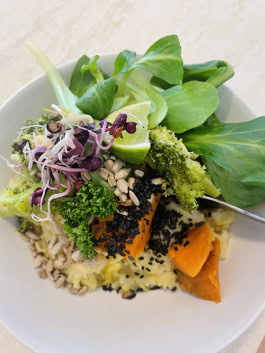
For the Indian community and otherwise, kitchari is an emotion. Diners will love this easy-to-make, easily digestible, and nourishing meal. The restaurant uses quality rice, mung beans, vegetables, oils, and Indian spices. They, too, focus on the six-taste philosophy. They cook their kitchari in the tri-dosha style, which suits all the doshas in the Ayurvedic mind-body constitution. Also, it is vegan and gluten-free! There are different versions of kitchari in their menu: sweet with plums and raisins, the typical savoury, spiced chai, and Ayurvedic grain coffee, among others. According to their website, they plan to open cooking courses soon.
Address: Dominique Groß, Kitchari Kitchen, Jungstraße 19, 10247 Berlin
E-Mail: hallo@kitchari-kitchen.de
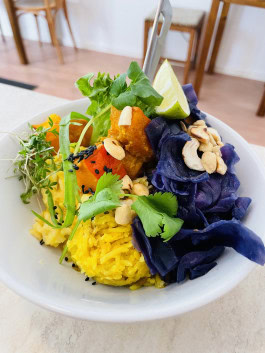
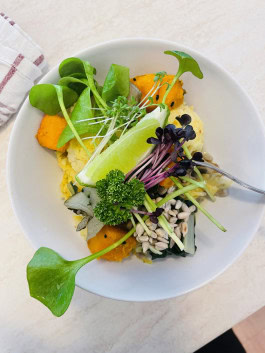
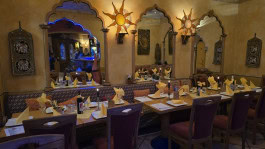
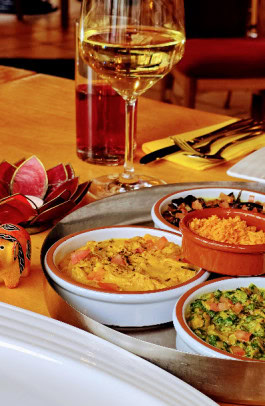
This is Ayurveda packed in Sri Lankan cuisine, made milder to suit European tastes. They pride themselves on their curry, a creation of freshly ground and roasted spices. Its menu includes the goodness of Ayurveda using cumin, ginger, garlic, chillies, pepper, cardamom, and coriander. Food items are made with coconut milk and garnished with coconut shavings, which are an important part of South Indian and Sri Lankan cuisine. The menu includes appetizers, salads, vegetarian main courses, regional specialties, non-vegetarian main courses, rice, and dessert.
Address: Prenzlauer Berg, Knaackstraße 4, 10405 Berlin
Contact: 030 - 4425301
E-Mail: info@suriya-kanthi.de
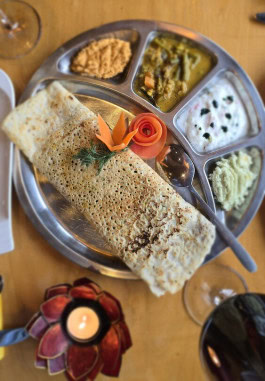
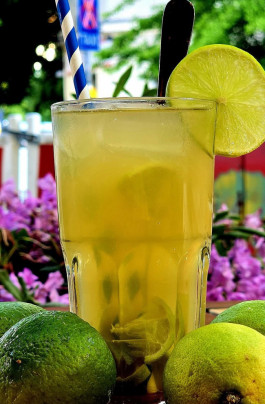
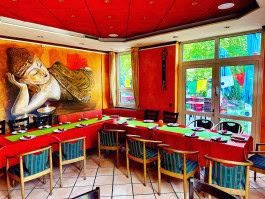
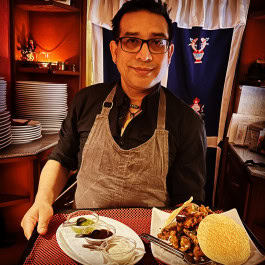
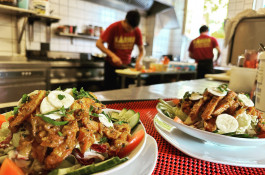
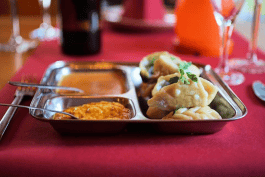
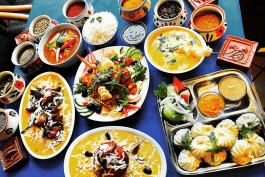
This is a Nepalese restaurant following Ayurvedic food principles, bringing Nepal’s traditional dishes to Berlin. They change their menu every month to ensure authentic taste and seasonal ingredients for their customers. Nepalese cuisine is known for its momo and thukpa soup, a delicacy of handmade momos stuffed with vegetables, durum wheat pasta, spicy minced lamb, and parsley/coriander. Their other options include roasted lamb, baked duck breast, fragrant rice, salad, and herbs – all combined in a cast-iron pan. Vanilla ice cream with mango slices completes the meal in the outdoor area.
Address: Eisenacher Str. 57, 12109 Berlin, Germany
Contact: +49 30 70370171
E-Mail: falindra@gmail.com
Make this your ticket to try Ayurvedic cuisine this weekend.
Related Articles:

It balances your dosha (the unique mind-body constitution) – Vata, Pitta, and Kapha. Since Ayurveda’s arrival in Berlin in the 1980s and 1990s, it recommends emphasizing relaxation, massages, and, of course, diet as part of our daily routine.
The Ayurvedic diet recommends seasonal, local, and freshly prepared unprocessed foods. Berliners can enjoy slow, warm meals tempered with ghee (clarified butter) and mild spices, such as cumin, turmeric, fennel seeds, and coriander. Ayurvedic cooking also prescribes a mindful process, a non-distracting eating environment, and eating with one’s hands. People enjoy it as a self-care practice for a long and healthy life. It is paired with other wellness initiatives common in India, such as yoga and meditation.
Despite the distance and cultural differences, Berlin’s naturopathy and India’s Ayurvedic cooking have more similarities than we realize. While Ayurveda aims for prevention over treatment, naturopathy has traditional, nature-based therapies for people with chronic health conditions. It prioritizes proper mealtimes and intentional eating practices: a contrast to modern, hurried meals, with locally sourced food, slower cooking, longer chewing, no digital distractions, and gratitude.
Though Ayurvedic cooking classes have gained popularity in Europe, the risks of commercialization have increased. Furthermore, one must ensure that the cooking course they join has relevant qualifications and that they understand dietary restrictions and allergens. The right cooking workshops teach participants to prepare Ayurvedic meals using locally sourced ingredients in Berlin, while introducing intentional eating practices – a moment of cultural exchange.
Participants prepare the quintessential Indian comfort food, kitchari with ghee and tadka (spice tempering). They understand the six-taste philosophy: sweet, sour, pungent, astringent, bitter, and salty. They learn about the doshas, choose ingredients, and cook meals according to the season. Cooking workshops focus on Ayurveda’s slow-cooking process, gratitude, the five senses, communal dining, and one’s daily routines.
If you’re interested in joining workshops, here are our recommendations in the city:

Brigitta started Bio-Kochschule in 2012 in Kladow, on the outskirts of Berlin. She describes her school as a place where one ‘cooks for the body, mind, and soul’. She offers a complete course on Ayurvedic cooking in her kitchen, including collecting herbs and flowers from the in-house garden. The ambiance is warm and welcoming, with large tables where participants work with grains, vegetables, and natural spices to create heartwarming meals.
She teaches the holistic science behind Ayurveda, correctly preparing herbs and spices, and planning full-course meals for friends and family. To instill a habit of healthy eating in the next generation, Brigitta also offers experiential cooking courses to children and young adults. One can book her culinary classes for small groups of family, friends, and corporate circles.
Address: Imchenallee 21d, 14089 Berlin-Kladow
Contact: +49 (0)30 312 55 30
E-Mail: mail@heilpraxiskarbe.de, mail@bio-kochschulekarbe.de
Armed with a nutrition certification in Germany, Merle Annika was introduced to Ayurveda during her time in Sri Lanka and India. She says that she found an answer that changed her personal beliefs, after years of struggling with dietary and nutrition trends that she did not enjoy. She translated her knowledge into live interactive sessions online, where she works with simple ingredients and makes small adjustments to make flavorful, healthy meals.
Participants receive a downloadable shopping list and preparation guide when they receive a booking confirmation. They are encouraged to ask questions in real time, according to their individual requirements, cooking skills, and what they have in the kitchen. After the class, they receive the recipe in their email. Her cooking classes are for those who want to improve their weight, hormonal balance, and digestion, and also those who want to build a healthier connection with food.
Contact: +49 1520 307 4858
E-Mail: consulting@easyplantfood.com


Kristina Clemenz, also known as Tina, holds Ayurvedic-inspired cooking classes based on her experience of ten years. She has followed the philosophy herself and aims to make her workshops simple, practical, and universal to all. After an introduction, Tina focuses on guiding the participants to prepare a wholesome and seasonal diet using organic ingredients. Her four-hour workshop invites like-minded people to cook in an appreciative atmosphere. She encourages questions after the shared meal is complete, allowing her students to integrate Ayurvedic dietary principles into their everyday lives.
After the classes end, participants receive an e-book containing the cooking class recipes and information about plant-based nutrition. These workshops can be held as team events, Christmas parties, or a closed cooking class group. Tina does not conduct individual dosha determination as she teaches the basics of Ayurvedic cuisine based on the seasons. Ingredients, recipes, and cooking utensils are included in the course.
Address: Alsenstraße 40, 14109 Berlin, Germany
Contact: 015209162293
E-Mail: hello@ayurkaya.de
Knut Kunde comes from Potsdam and holds a high school diploma in nutritional ecotrophology, further working in kitchens all around the globe. He started practicing yoga after a seven-month-long world tour, after which he completed an apprenticeship in Ayurveda with Juri Dischinger. Kunde’s four-hour Ayurvedic cooking workshop teaches participants to prepare meals with aromatic spices, organic ingredients, and in the right combinations. He further guides participants on the three doshas, food, and spices as a professional chef.
Ayurveda Kunde’s classes are vegetarian and vegan-oriented. After a booking confirmation, Kunde brings the ingredients and utensils not available to the participant’s household. The menu usually includes spiced tea, ghee, appetizers, main course, and dessert. After the shared meal is prepared, participants can ask questions about Ayurveda. Later, they will have the recipe and course instructions for future use.
Address: Gutenbergstraße 89, 14467 Potsdam
Contact: 0179 529 94 75
E-Mail: info@ayurvedakunde.de

If you want to try out Ayurvedic cuisine yourself before committing to a cooking workshop, experiment with new sights, smells, and tastes below:
For the Indian community and otherwise, kitchari is an emotion. Diners will love this easy-to-make, easily digestible, and nourishing meal. The restaurant uses quality rice, mung beans, vegetables, oils, and Indian spices. They, too, focus on the six-taste philosophy. They cook their kitchari in the tri-dosha style, which suits all the doshas in the Ayurvedic mind-body constitution. Also, it is vegan and gluten-free! There are different versions of kitchari in their menu: sweet with plums and raisins, the typical savoury, spiced chai, and Ayurvedic grain coffee, among others. According to their website, they plan to open cooking courses soon.
Address: Dominique Groß, Kitchari Kitchen, Jungstraße 19, 10247 Berlin
E-Mail: hallo@kitchari-kitchen.de


This is Ayurveda packed in Sri Lankan cuisine, made milder to suit European tastes. They pride themselves on their curry, a creation of freshly ground and roasted spices. Its menu includes the goodness of Ayurveda using cumin, ginger, garlic, chillies, pepper, cardamom, and coriander. Food items are made with coconut milk and garnished with coconut shavings, which are an important part of South Indian and Sri Lankan cuisine. The menu includes appetizers, salads, vegetarian main courses, regional specialties, non-vegetarian main courses, rice, and dessert.
Address: Prenzlauer Berg, Knaackstraße 4, 10405 Berlin
Contact: 030 - 4425301
E-Mail: info@suriya-kanthi.de


This is a Nepalese restaurant following Ayurvedic food principles, bringing Nepal’s traditional dishes to Berlin. They change their menu every month to ensure authentic taste and seasonal ingredients for their customers. Nepalese cuisine is known for its momo and thukpa soup, a delicacy of handmade momos stuffed with vegetables, durum wheat pasta, spicy minced lamb, and parsley/coriander. Their other options include roasted lamb, baked duck breast, fragrant rice, salad, and herbs – all combined in a cast-iron pan. Vanilla ice cream with mango slices completes the meal in the outdoor area.
Address: Eisenacher Str. 57, 12109 Berlin, Germany
Contact: +49 30 70370171
E-Mail: falindra@gmail.com
Make this your ticket to try Ayurvedic cuisine this weekend.


Related Articles:
You need to load content from reCAPTCHA to submit the form. Please note that doing so will share data with third-party providers.
More InformationYou need to load content from Turnstile to submit the form. Please note that doing so will share data with third-party providers.
More InformationYou are currently viewing a placeholder content from Facebook. To access the actual content, click the button below. Please note that doing so will share data with third-party providers.
More InformationYou are currently viewing a placeholder content from Instagram. To access the actual content, click the button below. Please note that doing so will share data with third-party providers.
More InformationYou need to load content from hCaptcha to submit the form. Please note that doing so will share data with third-party providers.
More InformationYou need to load content from reCAPTCHA to submit the form. Please note that doing so will share data with third-party providers.
More InformationYou are currently viewing a placeholder content from Turnstile. To access the actual content, click the button below. Please note that doing so will share data with third-party providers.
More InformationYou are currently viewing a placeholder content from X. To access the actual content, click the button below. Please note that doing so will share data with third-party providers.
More Information