


Sign up here to subscribe to The Columbist newsletter.
“But can a club really do that?” asks my friend Ana. She hasn’t lived in Berlin for long, and she loves the city for the possibilities it offers. She has heard plenty about the KitKat Club, though not all of it good. Allegations of consent violations and harassment keep surfacing. How free, she wonders, can a woman really feel there?
Her friend Bruno is also new to Berlin. He loves going out, especially to queer parties, but has never been to KitKat either. He worries less about what might happen inside than about getting there. Being open about his sexuality in public no longer feels as safe as he would like — and that unease began well before the attack on a Pride event or the state elections in Saxony-Anhalt.

Ana and Bruno decide to find out together what the club has to offer: what it feels like to party alongside 1,500 other people exploring their kinks.
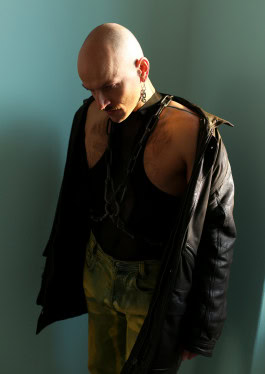
Getting dressed is a small ritual of its own. Ana chooses a glittering dress; Bruno finds the perfect heels to match. One photograph of their coordinated outfits later, they are standing in the queue outside.
For thirty years, KitKat — or “Kitty”, as its regulars call it — has pushed at the boundaries of freedom in sex, fetish and queer expression. Having changed venues several times, it now occupies a spot in Mitte near the former Berlin Wall. Like the city around it, the club seems forever in the process of reinventing itself. Part beach bar, part early-2000s basement club, its décor is an eclectic collision of worlds. Yet there is real creativity in this spirit of collective hedonism.
Inside, the “naked string orchestra” plays softly beside the pool. People in colourful outfits sit and stand together, enjoying the lull before the night gathers pace.
Ana and Bruno have chosen “Gegen”, one of the parties hosted at Kitty. Events here vary considerably, so it is worth finding out beforehand what kind of night to expect and which rules apply. “Gegen” turns out to be exactly right for them: a vivid crowd, striking performances and a strong line-up. There is dancing, and plenty of kissing. At one point, Ana feels a flicker of embarrassment at just how carried away she has become. The woman in her arms reassures her: “What happens at KitKat stays at KitKat.”
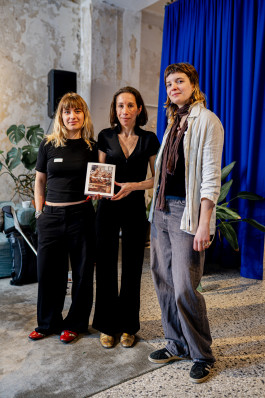
Bahr’s book describes the club as a place of freedom. But freedom also demands personal responsibility, and not every guest arrives prepared to take it. The club remains a testing ground for whether this way of being together can work. For all its promise of escape, it is still part of the society outside.
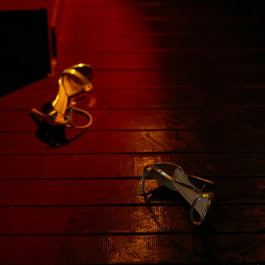
A film about the club, Kinks of Berlin, has also recently opened in cinemas, bringing documentary footage together with a black-and-white aesthetic. In one scene, drag queens are harassed on a tram. Bruno tells Ana that similar has happened to him many times, you don’t have to be wearing glitter heels…
One of the bartenders they chat to tells them about Cabaret, the musical from which the club takes its name. Its story unfolds against the rise of the Nazis in Berlin: the end of an era of freedom, the beginning of violence and repression. “That feels strangely close to the present,” Ana says as they order another drink. Despite the thought — or perhaps because of it — they return to the dance floor and lose themselves in the pounding music.
By the time they take the S-Bahn home, they are exhausted. Bruno has changed into flat shoes. Ana pulls the hem of her dress down over her knees. Out here, different rules apply.
Kitty is a place of freedom for women, kinkster and queer people. But the freedom it makes possible matters even to those who will never walk through its doors. As history taught us long before the 1930s, other people’s freedom is bound up with our own.
Making room for places like KitKat helps keep that freedom alive across society. No one has to dancing in glittering shoes but letting others wear what they like is one part of freedom for us all.
Sign up here to subscribe to The Columbist newsletter.
Related Articles:

Sign up here to subscribe to The Columbist newsletter.
“But can a club really do that?” asks my friend Ana. She hasn’t lived in Berlin for long, and she loves the city for the possibilities it offers. She has heard plenty about the KitKat Club, though not all of it good. Allegations of consent violations and harassment keep surfacing. How free, she wonders, can a woman really feel there?
Her friend Bruno is also new to Berlin. He loves going out, especially to queer parties, but has never been to KitKat either. He worries less about what might happen inside than about getting there. Being open about his sexuality in public no longer feels as safe as he would like — and that unease began well before the attack on a Pride event or the state elections in Saxony-Anhalt.

Ana and Bruno decide to find out together what the club has to offer: what it feels like to party alongside 1,500 other people exploring their kinks.
Getting dressed is a small ritual of its own. Ana chooses a glittering dress; Bruno finds the perfect heels to match. One photograph of their coordinated outfits later, they are standing in the queue outside.
For thirty years, KitKat — or “Kitty”, as its regulars call it — has pushed at the boundaries of freedom in sex, fetish and queer expression. Having changed venues several times, it now occupies a spot in Mitte near the former Berlin Wall. Like the city around it, the club seems forever in the process of reinventing itself. Part beach bar, part early-2000s basement club, its décor is an eclectic collision of worlds. Yet there is real creativity in this spirit of collective hedonism.
Inside, the “naked string orchestra” plays softly beside the pool. People in colourful outfits sit and stand together, enjoying the lull before the night gathers pace.
Ana and Bruno have chosen “Gegen”, one of the parties hosted at Kitty. Events here vary considerably, so it is worth finding out beforehand what kind of night to expect and which rules apply. “Gegen” turns out to be exactly right for them: a vivid crowd, striking performances and a strong line-up. There is dancing, and plenty of kissing. At one point, Ana feels a flicker of embarrassment at just how carried away she has become. The woman in her arms reassures her: “What happens at KitKat stays at KitKat.”
Bahr’s book describes the club as a place of freedom. But freedom also demands personal responsibility, and not every guest arrives prepared to take it. The club remains a testing ground for whether this way of being together can work. For all its promise of escape, it is still part of the society outside.

A film about the club, Kinks of Berlin, has also recently opened in cinemas, bringing documentary footage together with a black-and-white aesthetic. In one scene, drag queens are harassed on a tram. Bruno tells Ana that similar has happened to him many times, you don’t have to be wearing glitter heels…
One of the bartenders they chat to tells them about Cabaret, the musical from which the club takes its name. Its story unfolds against the rise of the Nazis in Berlin: the end of an era of freedom, the beginning of violence and repression. “That feels strangely close to the present,” Ana says as they order another drink. Despite the thought — or perhaps because of it — they return to the dance floor and lose themselves in the pounding music.
By the time they take the S-Bahn home, they are exhausted. Bruno has changed into flat shoes. Ana pulls the hem of her dress down over her knees. Out here, different rules apply.
Kitty is a place of freedom for women, kinkster and queer people. But the freedom it makes possible matters even to those who will never walk through its doors. As history taught us long before the 1930s, other people’s freedom is bound up with our own.
Making room for places like KitKat helps keep that freedom alive across society. No one has to dancing in glittering shoes but letting others wear what they like is one part of freedom for us all.
Sign up here to subscribe to The Columbist newsletter.
Related Articles:
You need to load content from reCAPTCHA to submit the form. Please note that doing so will share data with third-party providers.
More InformationYou need to load content from Turnstile to submit the form. Please note that doing so will share data with third-party providers.
More InformationYou are currently viewing a placeholder content from Facebook. To access the actual content, click the button below. Please note that doing so will share data with third-party providers.
More InformationYou are currently viewing a placeholder content from Instagram. To access the actual content, click the button below. Please note that doing so will share data with third-party providers.

More InformationYou need to load content from hCaptcha to submit the form. Please note that doing so will share data with third-party providers.
More InformationYou need to load content from reCAPTCHA to submit the form. Please note that doing so will share data with third-party providers.
More InformationYou are currently viewing a placeholder content from Turnstile. To access the actual content, click the button below. Please note that doing so will share data with third-party providers.
More InformationYou are currently viewing a placeholder content from X. To access the actual content, click the button below. Please note that doing so will share data with third-party providers.
More Information