

Sign up here to subscribe to The Columbist newsletter.
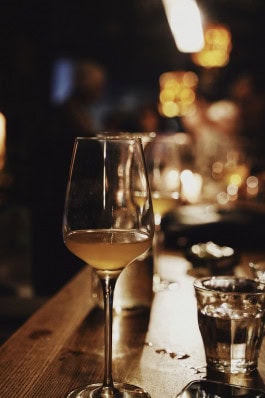
They feature specialized audio systems, quality amplifiers and speakers, and crafted drinks. Over time, they have become an alternative way to socialize, with an equal focus on music quality and curation, design and lighting, and the ambiance.
Listening bars trace their origins to the Ongaku Kissaten, a well-known music café in 1920s Japan, which became more popular in the 1950s. Back then, these spaces looked different from modern-day cafes. They emerged alongside the conventional bar culture in post-war Japan and invited people to connect with the new coffee culture. This was common in places such as Café Lion, which opened in 1926 when records were unaffordable for middle-class Japanese.

ㅤ
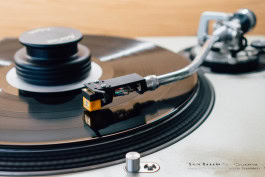
Music is the focal point in these spaces, and people are encouraged to engage with it by keeping personal conversation to a minimum. Sometimes, these spaces have high-quality audio equipment, small libraries, vinyl records, posters, wooden furniture, and photographs for patrons. They began in Tokyo and Kyoto, in the former’s Shibuya, Shinjuku, and Shimokitazawa neighbourhoods. Listening bars have now spread around the globe: Berlin, Hamburg, and Munich in Germany.
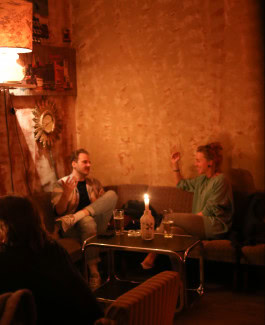
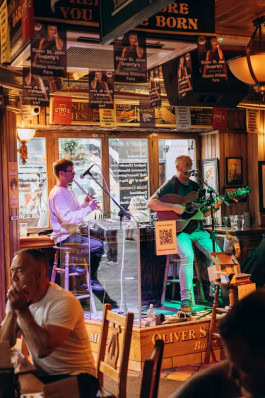
As the weather gets colder and Berliners want to stay indoors, listening bars become a way to enjoy drinks and meet new people. The music features trumpet, bass, guitar, and piano, and sometimes vocals, set in the old-world, dark-colored interiors. Fellow patrons settle into armchairs, bar stools, and tables. They have a drink and focus on the music, as talking is generally not permitted. Listening bars let them experience genres such as jazz, disco, funk, ambient, and electronic music.

Everyone is welcome here, as many listening bars are intimate and inclusive spaces. Some venues follow the Japanese kissa in design and culture, while others are more contemporary. People come solo or with small groups, as space is usually very limited. Talking is generally discouraged in listening bars, unlike the more conversational atmosphere in conventional cafes and restaurants. Though they serve alcoholic beverages, they also provide alcohol-free options for those who don’t drink.
How do listening bars fit into the city’s traditional nightlife? It is an interesting question because they add another layer to Berlin’s diverse DJ culture. While some people like the high energy and communal experience in nightclubs, others enjoy the dark, cozy vibe in a listening bar. They come alone, with friends, or with a date. The focus is on curation, listening to music, and talking to like-minded people. It’s a different kind of nightlife.
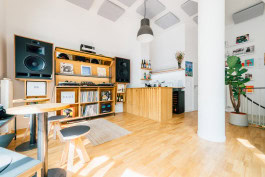
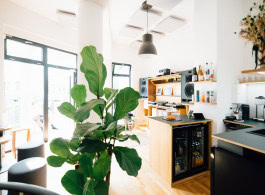
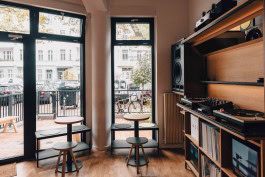
Founded by Thibaut Machet and Robin Ordell, Anima is described as a riverside restaurant, listening bar, and café. It is between the Berlin Wall and the River Spree, making it a convenient location for interested patrons. Set in a beautiful place with white walls, wooden furniture, dim lighting, and plants, Anima’s staff plays music on a custom hi-fi sound system and a mixer by Resor.
If you want to spend some time here, savour the riverside view and music with the brand’s signature cocktails, artisanal coffee, and seasonal dishes. Reservations are required. According to their website, they are currently playing the Anima Mix Series 01 with Laura Fiore (ambient and jazz) and Anima Mix Series 02 and 03 (E-Talking).
Bar Neiro is an initiative by the Analogue Foundation, inspired by the Japanese jazz-kissas. Erik Breuer, a sound engineer by profession, founded the listening bar in 2023. It is popular for its dimly lit interiors with checkered flooring, plants, and wooden furniture for the music setup, and its love of vinyl music.
It has a custom-built sound system with vintage components and serves in-house cocktails, spirits, and wines inspired by the Japanese bar culture. Bar Neiro features a Garrard 301 turntable, A23 Hommage platter mat, Shindo Cortese 300b power (WE300b tubes), Shindo Monbrison preamp, Altec A5 speakers, and speaker cables and interconnects by Auditorium23. Due to limited seating capacity, the staff only takes private bookings on Mondays and Tuesdays.
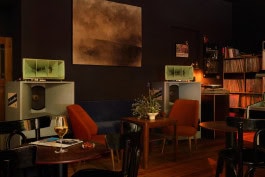
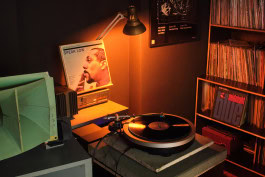
A listening bar with a no-photo policy, Rhinoçéros opened in 2017, strongly inspired by Japanese jazz kissas while retaining a Berlin identity. Founded by Bénédict Berna and Martina Carl, the studio plays jazz, soul, and funk music. It has a vintage Hi-Fi Sound System with analog equipment: a Micro-Seiki turntable, Quad amplifiers, and Bowers & Wilkins speakers.
Bénédict Berna, Founder, says. “We are first of all jazz fans and hospitality people. Over the years, we have built a very personal record collection, and we play music selected with the same attention we give to drinks and service. Jazz remains at the centre of what we play: from 1950s post-bop classics to avant-garde, free jazz and contemporary releases. Music is really the common thread running through the bar. Our point is not to create a silent room, but a bar where the music is treated seriously and given enough space to be heard properly, without losing the social, welcoming atmosphere of a bar.”
The bar serves wines, spirits, and Japanese-inspired drinks. Four guests per group (each must be over 18 years old) are invited to the listening bar and must arrive together for entry. It accepts cash and card payments. Guests maintain a strict no-talking, silent-listening policy to engage with the music and must follow the no-smoking and no-dog policy. There are no reservations required.
For those interested, their best-selling beverages include Anbā (Milky Oolong-infused Bourbon, Ume, Crème de Pêche and Soda), Whisky Highball (Japanese Whisky and Soda), and One For The Baby, One For The Road (non-alcoholic house drinks).
Berna talks about listening bars in the context of Berlin nightlife: “Berlin nightlife is often associated with clubs, volume, intensity, and a loss of time and space. What interests us is a different kind of attention, where people can still go out, sit comfortably, drink high-quality products, receive attentive service and care, meet and talk, but where the music is not reduced to background sound. We believe that listening and hospitality can coexist. During our Quiet Hours, we ask for a little more attention to the music, and on special occasions we also host dedicated listening sessions around a particular record, artist, or story.”
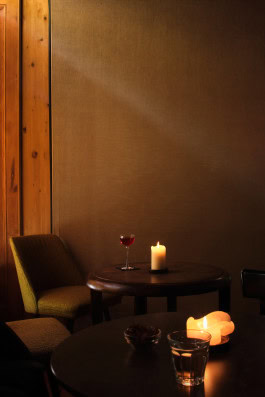

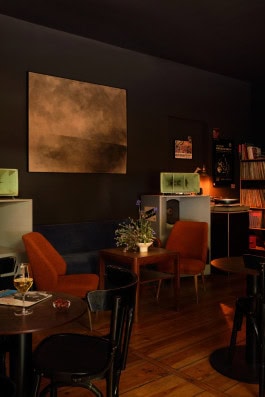
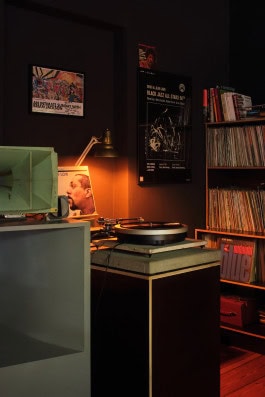
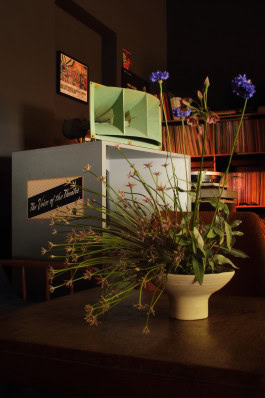
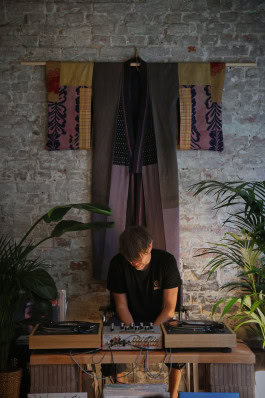

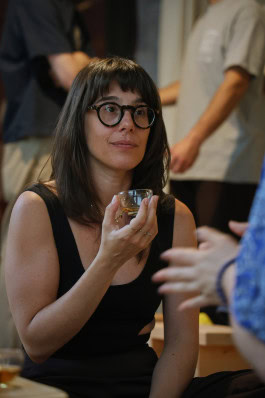
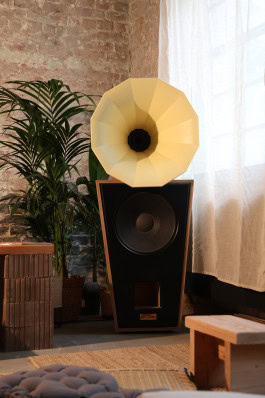
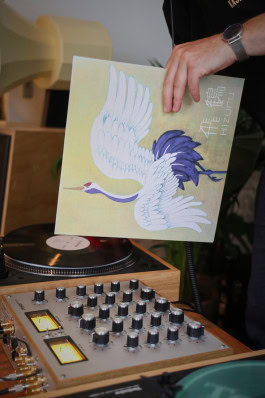

Tea & Vinyl combines intimate vinyl listening sessions with Chinese tea traditions, art, and mindful experiences. Inspired by the gongfu-style Chinese tea house and the Japanese listening bar, the team created a place for people to slow down, reconnect with themselves and others, and experience tea and music. The bar’s high-quality teas come from China, Georgia, Taiwan, Thailand, and Vietnam, such as aged pu-erh, Taiwanese oolongs, and rare experimental batches from other countries.
Alex and Elen, Founders, describe their philosophy: “Our Tea & Listening Sessions are regular ticketed events and have become an important part of Tea & Vinyl House. We invite musicians, DJs, artists, and collectors to select a record or create a listening journey, while we serve tea alongside the music. Some sessions are focused and quiet, while others gradually develop into more social evenings. We often have DJs playing in the background, creating a memorable sound atmosphere throughout the day, and every evening we curate a dedicated DJ program featuring different artists and musical styles.”
Elen leads the tea direction, curation, design, and day-to-day operations, while Alex focuses on music, events, sound, and finances. Elen has worked in the tea industry for more than seven years and has developed several hospitality projects. Her knowledge of tea culture, sourcing, and creating unique guest experiences became the foundation of the tea concept. Alex is a musical curator, vinyl collector, and entrepreneur passionate about sound, music discovery, and cultural experiences.
Their tea ceremony is their most popular experience, a shorter way to enjoy Chinese-style tea brewing, where guests learn the basics of preparing loose-leaf tea properly and then enjoy the tea themselves. Patrons don’t need prior knowledge, making it easier to learn tea culture and practice at home. For guests who want something simpler, the team serves teas already brewed in a pitcher. This is a popular everyday option where people choose a tea, sit down with a record or a book, and enjoy the space.
Tea preferences are very personal, but white tea, oolong, and pu-erh are the most popular categories. The team takes special interest in the Chinese approach to brewing and experiencing tea, particularly multiple infusions and noticing how the aroma, texture, and taste change from one brew to the next. During regular open hours, patrons can enjoy selected tea, cold brew tea, and craft kombucha along with vegan, refined sugar-free, and gluten-free sweets.
Tea & Vinyl also features a curated selection of original vintage Japanese kimonos, curated by Menda, and vinyl records for purchase. This is a smaller part of the project following the same ideology: objects with craftsmanship, history, and culture behind them. Other ongoing events include tea and non-tea workshops, art events and talks, ceramic exhibitions, and journaling sessions.
Elen and Alex talk about listening bars as a different way to enjoy nightlife: “Berlin is known for its loud and intense nightlife. We wanted to create another way of going out, somewhere you can slow down, drink tea, listen to a record properly and give your attention to what is happening around you. Tea and vinyl come from very different worlds, but both ask for the same thing: time and attention.”
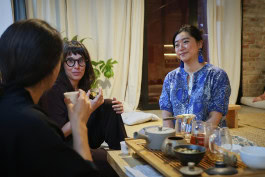

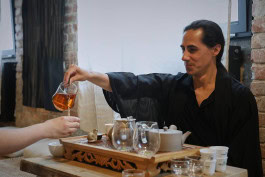
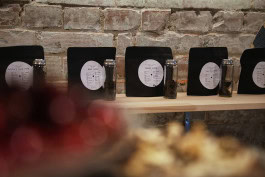

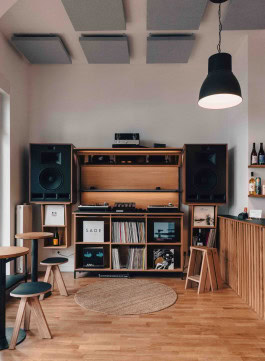
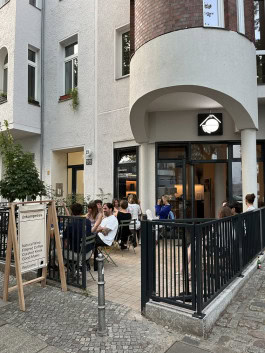
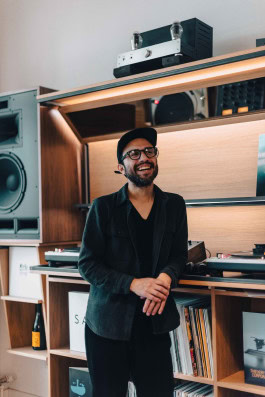
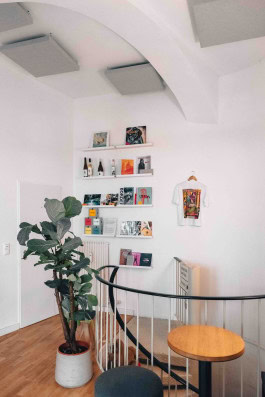
Unkompress is often described as Berlin’s first listening bar, founded by Kevin Rodriguez. It is well-known for an analog sound system that plays high-fidelity, natural, warm, and deep music. The bar plays music genres starting with jazz, but also includes soul, rock, funk, and experimental, depending on the atmosphere. It is part of a global listening-bar movement inspired by Japanese listening rooms, and serves natural wine, craft liquor, beer, and coffee.
Kevin Rodriguez, Founder & Curator, Unkompress, describes his brand as ‘an intimate, music-driven social space built on culture, collaboration, and community’. He continues, “While it contrasts Berlin’s louder nightlife, I also see it as complementary. It’s another way to experience the city’s incredible music culture through a high-end sound system, a more intimate setting, and genuine hospitality. That same level of care extends to the drinks program, from natural wine and mezcal to a substantial non-alcoholic selection.”
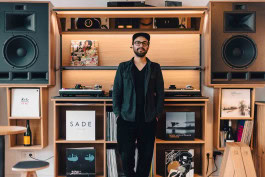
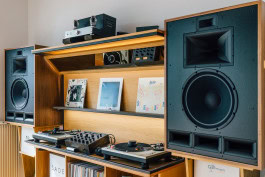
It is an open-plan space with no partitions between the bartender and patron, featuring a custom 300B Single-Ended Tube amplifier sourced from Japan, a class-A rotary mixer by Resor, and Klipsch horn speakers (an ode to David Mancuso and The Loft parties in NYC). Rodriguez explains, “Music is always at the center, but how we experience it changes throughout the week. We have DJ sets with album releases and quiet listening sessions, and community-led nights for focused listening and for people to connect. We also record selected sessions, documenting artists and selectors who enter our space.”
Unkompress offers artisanal zero-percent to full-percent imported drinks to its patrons. It collaborates with a wine sommelier, a saké sommelier, and a mezcal author and DJ in Berlin. A curated kiosk features Berlin and international magazines on art and music, LGBTQIA+, and other socio-cultural themes.
Rodriguez concludes, “For me, it’s about expanding what a listening bar can be. Rather than following one traditional format, Unkompress can be a place for deep listening one night and a more social, collaborative space the next. Much of the music we play also gives context to the wider scene, connecting sounds and ideas from the past with what you might hear elsewhere in Berlin today.”

Sign up here to subscribe to The Columbist newsletter.
Related Articles:

Sign up here to subscribe to The Columbist newsletter.
They feature specialized audio systems, quality amplifiers and speakers, and crafted drinks. Over time, they have become an alternative way to socialize, with an equal focus on music quality and curation, design and lighting, and the ambiance.
Listening bars trace their origins to the Ongaku Kissaten, a well-known music café in 1920s Japan, which became more popular in the 1950s. Back then, these spaces looked different from modern-day cafes. They emerged alongside the conventional bar culture in post-war Japan and invited people to connect with the new coffee culture. This was common in places such as Café Lion, which opened in 1926 when records were unaffordable for middle-class Japanese.
ㅤ
Music is the focal point in these spaces, and people are encouraged to engage with it by keeping personal conversation to a minimum. Sometimes, these spaces have high-quality audio equipment, small libraries, vinyl records, posters, wooden furniture, and photographs for patrons. They began in Tokyo and Kyoto, in the former’s Shibuya, Shinjuku, and Shimokitazawa neighbourhoods. Listening bars have now spread around the globe: Berlin, Hamburg, and Munich in Germany.
As the weather gets colder and Berliners want to stay indoors, listening bars become a way to enjoy drinks and meet new people. The music features trumpet, bass, guitar, and piano, and sometimes vocals, set in the old-world, dark-colored interiors. Fellow patrons settle into armchairs, bar stools, and tables. They have a drink and focus on the music, as talking is generally not permitted. Listening bars let them experience genres such as jazz, disco, funk, ambient, and electronic music.

Everyone is welcome here, as many listening bars are intimate and inclusive spaces. Some venues follow the Japanese kissa in design and culture, while others are more contemporary. People come solo or with small groups, as space is usually very limited. Talking is generally discouraged in listening bars, unlike the more conversational atmosphere in conventional cafes and restaurants. Though they serve alcoholic beverages, they also provide alcohol-free options for those who don’t drink.
How do listening bars fit into the city’s traditional nightlife? It is an interesting question because they add another layer to Berlin’s diverse DJ culture. While some people like the high energy and communal experience in nightclubs, others enjoy the dark, cozy vibe in a listening bar. They come alone, with friends, or with a date. The focus is on curation, listening to music, and talking to like-minded people. It’s a different kind of nightlife.
Founded by Thibaut Machet and Robin Ordell, Anima is described as a riverside restaurant, listening bar, and café. It is between the Berlin Wall and the River Spree, making it a convenient location for interested patrons. Set in a beautiful place with white walls, wooden furniture, dim lighting, and plants, Anima’s staff plays music on a custom hi-fi sound system and a mixer by Resor.
If you want to spend some time here, savour the riverside view and music with the brand’s signature cocktails, artisanal coffee, and seasonal dishes. Reservations are required. According to their website, they are currently playing the Anima Mix Series 01 with Laura Fiore (ambient and jazz) and Anima Mix Series 02 and 03 (E-Talking).
Bar Neiro is an initiative by the Analogue Foundation, inspired by the Japanese jazz-kissas. Erik Breuer, a sound engineer by profession, founded the listening bar in 2023. It is popular for its dimly lit interiors with checkered flooring, plants, and wooden furniture for the music setup, and its love of vinyl music.
It has a custom-built sound system with vintage components and serves in-house cocktails, spirits, and wines inspired by the Japanese bar culture. Bar Neiro features a Garrard 301 turntable, A23 Hommage platter mat, Shindo Cortese 300b power (WE300b tubes), Shindo Monbrison preamp, Altec A5 speakers, and speaker cables and interconnects by Auditorium23. Due to limited seating capacity, the staff only takes private bookings on Mondays and Tuesdays.

A listening bar with a no-photo policy, Rhinoçéros opened in 2017, strongly inspired by Japanese jazz kissas while retaining a Berlin identity. Founded by Bénédict Berna and Martina Carl, the studio plays jazz, soul, and funk music. It has a vintage Hi-Fi Sound System with analog equipment: a Micro-Seiki turntable, Quad amplifiers, and Bowers & Wilkins speakers.
Bénédict Berna, Founder, says. “We are first of all jazz fans and hospitality people. Over the years, we have built a very personal record collection, and we play music selected with the same attention we give to drinks and service. Jazz remains at the centre of what we play: from 1950s post-bop classics to avant-garde, free jazz and contemporary releases. Music is really the common thread running through the bar. Our point is not to create a silent room, but a bar where the music is treated seriously and given enough space to be heard properly, without losing the social, welcoming atmosphere of a bar.”
The bar serves wines, spirits, and Japanese-inspired drinks. Four guests per group (each must be over 18 years old) are invited to the listening bar and must arrive together for entry. It accepts cash and card payments. Guests maintain a strict no-talking, silent-listening policy to engage with the music and must follow the no-smoking and no-dog policy. There are no reservations required.
For those interested, their best-selling beverages include Anbā (Milky Oolong-infused Bourbon, Ume, Crème de Pêche and Soda), Whisky Highball (Japanese Whisky and Soda), and One For The Baby, One For The Road (non-alcoholic house drinks).
Berna talks about listening bars in the context of Berlin nightlife: “Berlin nightlife is often associated with clubs, volume, intensity, and a loss of time and space. What interests us is a different kind of attention, where people can still go out, sit comfortably, drink high-quality products, receive attentive service and care, meet and talk, but where the music is not reduced to background sound. We believe that listening and hospitality can coexist. During our Quiet Hours, we ask for a little more attention to the music, and on special occasions we also host dedicated listening sessions around a particular record, artist, or story.”


Tea & Vinyl combines intimate vinyl listening sessions with Chinese tea traditions, art, and mindful experiences. Inspired by the gongfu-style Chinese tea house and the Japanese listening bar, the team created a place for people to slow down, reconnect with themselves and others, and experience tea and music. The bar’s high-quality teas come from China, Georgia, Taiwan, Thailand, and Vietnam, such as aged pu-erh, Taiwanese oolongs, and rare experimental batches from other countries.
Alex and Elen, Founders, describe their philosophy: “Our Tea & Listening Sessions are regular ticketed events and have become an important part of Tea & Vinyl House. We invite musicians, DJs, artists, and collectors to select a record or create a listening journey, while we serve tea alongside the music. Some sessions are focused and quiet, while others gradually develop into more social evenings. We often have DJs playing in the background, creating a memorable sound atmosphere throughout the day, and every evening we curate a dedicated DJ program featuring different artists and musical styles.”
Elen leads the tea direction, curation, design, and day-to-day operations, while Alex focuses on music, events, sound, and finances. Elen has worked in the tea industry for more than seven years and has developed several hospitality projects. Her knowledge of tea culture, sourcing, and creating unique guest experiences became the foundation of the tea concept. Alex is a musical curator, vinyl collector, and entrepreneur passionate about sound, music discovery, and cultural experiences.
Their tea ceremony is their most popular experience, a shorter way to enjoy Chinese-style tea brewing, where guests learn the basics of preparing loose-leaf tea properly and then enjoy the tea themselves. Patrons don’t need prior knowledge, making it easier to learn tea culture and practice at home. For guests who want something simpler, the team serves teas already brewed in a pitcher. This is a popular everyday option where people choose a tea, sit down with a record or a book, and enjoy the space.
Tea preferences are very personal, but white tea, oolong, and pu-erh are the most popular categories. The team takes special interest in the Chinese approach to brewing and experiencing tea, particularly multiple infusions and noticing how the aroma, texture, and taste change from one brew to the next. During regular open hours, patrons can enjoy selected tea, cold brew tea, and craft kombucha along with vegan, refined sugar-free, and gluten-free sweets.
Tea & Vinyl also features a curated selection of original vintage Japanese kimonos, curated by Menda, and vinyl records for purchase. This is a smaller part of the project following the same ideology: objects with craftsmanship, history, and culture behind them. Other ongoing events include tea and non-tea workshops, art events and talks, ceramic exhibitions, and journaling sessions.
Elen and Alex talk about listening bars as a different way to enjoy nightlife: “Berlin is known for its loud and intense nightlife. We wanted to create another way of going out, somewhere you can slow down, drink tea, listen to a record properly and give your attention to what is happening around you. Tea and vinyl come from very different worlds, but both ask for the same thing: time and attention.”


Unkompress is often described as Berlin’s first listening bar, founded by Kevin Rodriguez. It is well-known for an analog sound system that plays high-fidelity, natural, warm, and deep music. The bar plays music genres starting with jazz, but also includes soul, rock, funk, and experimental, depending on the atmosphere. It is part of a global listening-bar movement inspired by Japanese listening rooms, and serves natural wine, craft liquor, beer, and coffee.
Kevin Rodriguez, Founder & Curator, Unkompress, describes his brand as ‘an intimate, music-driven social space built on culture, collaboration, and community’. He continues, “While it contrasts Berlin’s louder nightlife, I also see it as complementary. It’s another way to experience the city’s incredible music culture through a high-end sound system, a more intimate setting, and genuine hospitality. That same level of care extends to the drinks program, from natural wine and mezcal to a substantial non-alcoholic selection.”
It is an open-plan space with no partitions between the bartender and patron, featuring a custom 300B Single-Ended Tube amplifier sourced from Japan, a class-A rotary mixer by Resor, and Klipsch horn speakers (an ode to David Mancuso and The Loft parties in NYC). Rodriguez explains, “Music is always at the center, but how we experience it changes throughout the week. We have DJ sets with album releases and quiet listening sessions, and community-led nights for focused listening and for people to connect. We also record selected sessions, documenting artists and selectors who enter our space.”
Unkompress offers artisanal zero-percent to full-percent imported drinks to its patrons. It collaborates with a wine sommelier, a saké sommelier, and a mezcal author and DJ in Berlin. A curated kiosk features Berlin and international magazines on art and music, LGBTQIA+, and other socio-cultural themes.
Rodriguez concludes, “For me, it’s about expanding what a listening bar can be. Rather than following one traditional format, Unkompress can be a place for deep listening one night and a more social, collaborative space the next. Much of the music we play also gives context to the wider scene, connecting sounds and ideas from the past with what you might hear elsewhere in Berlin today.”


Sign up here to subscribe to The Columbist newsletter.
Related Articles:
You need to load content from reCAPTCHA to submit the form. Please note that doing so will share data with third-party providers.
More InformationYou need to load content from Turnstile to submit the form. Please note that doing so will share data with third-party providers.
More InformationYou are currently viewing a placeholder content from Facebook. To access the actual content, click the button below. Please note that doing so will share data with third-party providers.
More InformationYou are currently viewing a placeholder content from Instagram. To access the actual content, click the button below. Please note that doing so will share data with third-party providers.
More InformationYou need to load content from hCaptcha to submit the form. Please note that doing so will share data with third-party providers.
More InformationYou need to load content from reCAPTCHA to submit the form. Please note that doing so will share data with third-party providers.
More InformationYou are currently viewing a placeholder content from Turnstile. To access the actual content, click the button below. Please note that doing so will share data with third-party providers.
More InformationYou are currently viewing a placeholder content from X. To access the actual content, click the button below. Please note that doing so will share data with third-party providers.
More Information