
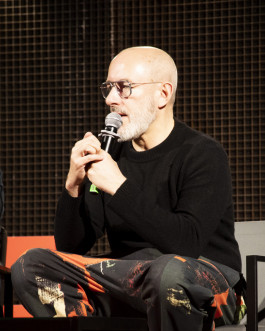
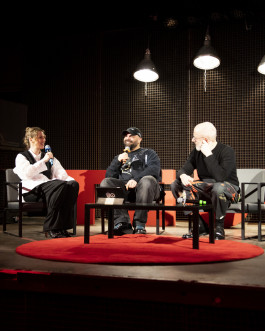
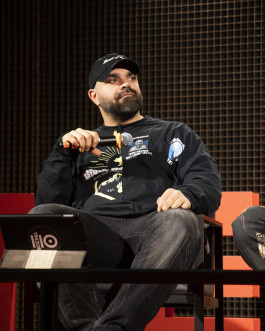
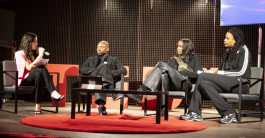
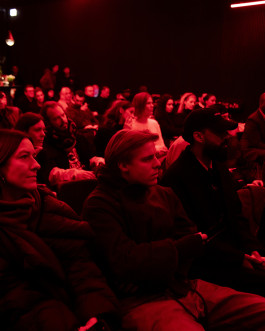
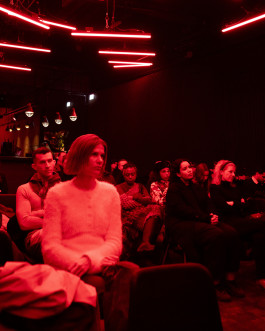
Taking place at the iconic Kraftwerk, powered by Reference Studios in partnership with INTERVENTION, TEDxBerlin hosted its first series specifically dedicated to fashion and design in an open discussion format.
As creative figures from both Germany and abroad aligned their voices, the event became a genuine metaphor for how communities can build a stronger, fairer, and more free-spirited essence for the industry. What the salon experienced was beyond a regular conference, the spirit was palpable, the inspiration was there. Each panel, enriched by invaluable expressions of creativity, took attendees on a journey, a collective brainstorming session that created a microcosm where creativity existed as a fundamental mindset.
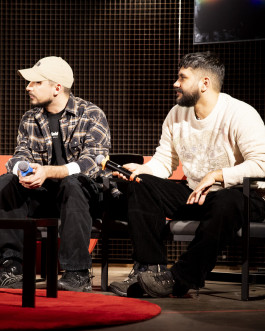
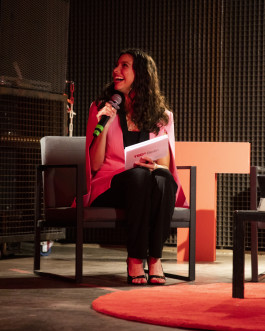
The first session, moderated by Berlin-based journalist Valerie Praekelt, welcomed Mumi Haiati, founder of Reference Studios, and René Célestin, founder of OBO Agency. Focused on the panel’s title, Sustaining Enthusiasm, Haiati and Célestin discussed how creativity remains present within, and interacts with, technological and logistical processes. While academic and professional structures from security protocols to organizational norms were reexamined and questioned, the conversation struck a perfect balance between their creative stances and industry insights. From the ideal length of a fashion show to perceptions of visibility, Haiati and Célestin gifted the audience an energetic and eye-opening discussion.


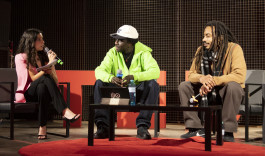
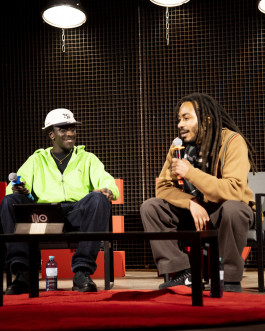
The second panel, Legibility and Publicity, was moderated by Natalia Sahagun and featured three inspirational figures: Artist Dozie Kanu, creative consultant Zainab Jama, and multidisciplinary artist Kandis Williams.
While the main focus was on contemporary norms such as how clarity and legibility impact the structure of taste and cultural criticism, the conversation evolved into a more expansive and stimulating session through the speakers' personal takes over their journeys in the industry. As inclusivity emerged as a central theme, the panel emphasized the critical role race and history play in today’s fashion and art scenes. Kanu, Jama, and Williams perfectly highlighted the urgent need for a more inclusive industry for the future. This surely was beyond any sort of creative discussion, highlighting the crucial importance of codependence of humanity.
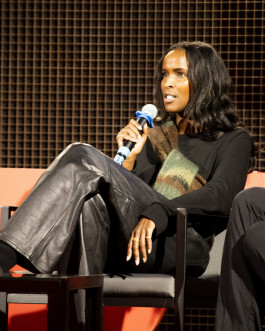
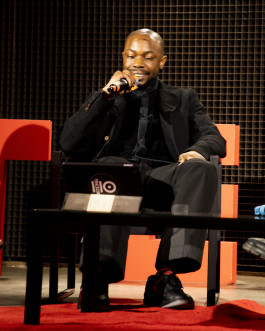
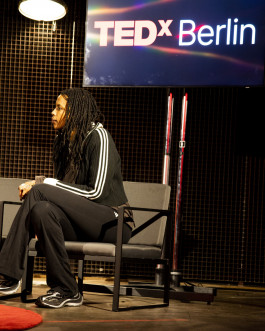
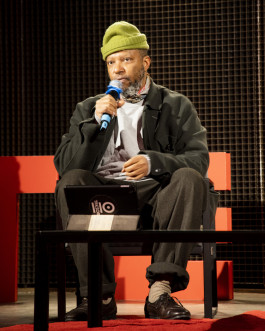
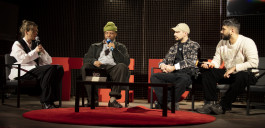
Two powerful voices taking Berlin to the world, GmbH founders Serhat Işık and Benjamin Alexander Huseby, participated in a profound conversation with global fashion icon Edward Buchanan for the third session, Institutional Speech and Creative Positioning.
Buchanan, who became the first Black creative director of a major European luxury house at Bottega Veneta in the '90s, is a revolutionary figure in the journey toward inclusivity. Işık and Huseby, meanwhile, are known for their vocal awareness of humanistic and political affairs, standing up for marginalized communities and oppressed nations.
As these figures merged their voices to discuss how institutional tolerance is structured and why authenticity cannot be separated from the consequences of public expression, they proved that genuine, transparent voices can indeed coexist in fashion. But there was more to hear from these leaders.
When asked about Berlin’s role in shaping innovation, Serhat Işık told The Columbist: “I think what’s most innovative about fashion in Berlin is that it is still very free and creative. It is where innovation thrives in the first place. That’s what Berlin Fashion Week feels like to me compared to other cities like Paris or Milan, which we’ve also experienced many times as GmbH.”
Benjamin Huseby, who believes creativity is all about interaction with community and different disciplines regardless of segmentation, added: “I think fashion is not independent from what else is going on in the world. What we are seeing is a kind of monopolization, and we are losing independent, young, talented designers. Everything becomes about institutions.”
Huseby also noted that the industry seems to have forgotten the topic of sustainability, stressing the need to reinitiate that vital conversation.


Finally, the conversation expanded into the realm of cultural identity and collective storytelling with the participation of Ahmadou-Bamba Thiam and Jeremy Konko from Air Afrique.
Respectively serving as Head of Communications/Editor and Photography Director, Thiam and Kongo brought a vital perspective on how editorial narratives and visual aesthetics serve as essential tools for cultural preservation.
Their presence at the event perfectly encapsulated the day’s overarching theme: that fashion is far more than a product—it is a vessel for ideas that bridge communities and redefine global narratives. As the discussions at Kraftwerk drew to a close, it was evident that the future of fashion lies in these very intersections of authenticity, community, and conscious creation.


Related Articles:

Taking place at the iconic Kraftwerk, powered by Reference Studios in partnership with INTERVENTION, TEDxBerlin hosted its first series specifically dedicated to fashion and design in an open discussion format.
As creative figures from both Germany and abroad aligned their voices, the event became a genuine metaphor for how communities can build a stronger, fairer, and more free-spirited essence for the industry. What the salon experienced was beyond a regular conference, the spirit was palpable, the inspiration was there. Each panel, enriched by invaluable expressions of creativity, took attendees on a journey, a collective brainstorming session that created a microcosm where creativity existed as a fundamental mindset.
The first session, moderated by Berlin-based journalist Valerie Praekelt, welcomed Mumi Haiati, founder of Reference Studios, and René Célestin, founder of OBO Agency. Focused on the panel’s title, Sustaining Enthusiasm, Haiati and Célestin discussed how creativity remains present within, and interacts with, technological and logistical processes. While academic and professional structures from security protocols to organizational norms were reexamined and questioned, the conversation struck a perfect balance between their creative stances and industry insights. From the ideal length of a fashion show to perceptions of visibility, Haiati and Célestin gifted the audience an energetic and eye-opening discussion.


The second panel, Legibility and Publicity, was moderated by Natalia Sahagun and featured three inspirational figures: Artist Dozie Kanu, creative consultant Zainab Jama, and multidisciplinary artist Kandis Williams.
While the main focus was on contemporary norms such as how clarity and legibility impact the structure of taste and cultural criticism, the conversation evolved into a more expansive and stimulating session through the speakers' personal takes over their journeys in the industry. As inclusivity emerged as a central theme, the panel emphasized the critical role race and history play in today’s fashion and art scenes. Kanu, Jama, and Williams perfectly highlighted the urgent need for a more inclusive industry for the future. This surely was beyond any sort of creative discussion, highlighting the crucial importance of codependence of humanity.


Two powerful voices taking Berlin to the world, GmbH founders Serhat Işık and Benjamin Alexander Huseby, participated in a profound conversation with global fashion icon Edward Buchanan for the third session, Institutional Speech and Creative Positioning.
Buchanan, who became the first Black creative director of a major European luxury house at Bottega Veneta in the '90s, is a revolutionary figure in the journey toward inclusivity. Işık and Huseby, meanwhile, are known for their vocal awareness of humanistic and political affairs, standing up for marginalized communities and oppressed nations.
As these figures merged their voices to discuss how institutional tolerance is structured and why authenticity cannot be separated from the consequences of public expression, they proved that genuine, transparent voices can indeed coexist in fashion. But there was more to hear from these leaders.
When asked about Berlin’s role in shaping innovation, Serhat Işık told The Columbist: “I think what’s most innovative about fashion in Berlin is that it is still very free and creative. It is where innovation thrives in the first place. That’s what Berlin Fashion Week feels like to me compared to other cities like Paris or Milan, which we’ve also experienced many times as GmbH.”
Benjamin Huseby, who believes creativity is all about interaction with community and different disciplines regardless of segmentation, added: “I think fashion is not independent from what else is going on in the world. What we are seeing is a kind of monopolization, and we are losing independent, young, talented designers. Everything becomes about institutions.”
Huseby also noted that the industry seems to have forgotten the topic of sustainability, stressing the need to reinitiate that vital conversation.


Finally, the conversation expanded into the realm of cultural identity and collective storytelling with the participation of Ahmadou-Bamba Thiam and Jeremy Konko from Air Afrique.
Respectively serving as Head of Communications/Editor and Photography Director, Thiam and Kongo brought a vital perspective on how editorial narratives and visual aesthetics serve as essential tools for cultural preservation.
Their presence at the event perfectly encapsulated the day’s overarching theme: that fashion is far more than a product—it is a vessel for ideas that bridge communities and redefine global narratives. As the discussions at Kraftwerk drew to a close, it was evident that the future of fashion lies in these very intersections of authenticity, community, and conscious creation.

Related Articles:
You need to load content from reCAPTCHA to submit the form. Please note that doing so will share data with third-party providers.
More InformationYou need to load content from Turnstile to submit the form. Please note that doing so will share data with third-party providers.
More InformationYou are currently viewing a placeholder content from Facebook. To access the actual content, click the button below. Please note that doing so will share data with third-party providers.
More InformationYou are currently viewing a placeholder content from Instagram. To access the actual content, click the button below. Please note that doing so will share data with third-party providers.
More InformationYou need to load content from hCaptcha to submit the form. Please note that doing so will share data with third-party providers.
More InformationYou need to load content from reCAPTCHA to submit the form. Please note that doing so will share data with third-party providers.
More InformationYou are currently viewing a placeholder content from Turnstile. To access the actual content, click the button below. Please note that doing so will share data with third-party providers.
More InformationYou are currently viewing a placeholder content from X. To access the actual content, click the button below. Please note that doing so will share data with third-party providers.
More Information