

Across two days of talks, workshops, and discussions, the conference looked beyond AI as a tool for efficiency and opened up a wider conversation about how technology is changing the way we live, work, create, travel, care for ourselves, and connect with one another.
The topics felt particularly relevant to The Columbist, since we are a magazine rooted in community, and are especially interested in how AI can enhance human connection, while helping us preserve what makes us human. As we explore topics such as culture, future, art, travel, and food, we continuously ask ourselves: how can we improve our lives through the technology we have at hand?
One of the most memorable experiences was the interactive installation and workshop by artist Özcan Ertek, who is also The Columbist’s Emerging Talent of June. At The Columbist, we dedicate each month to discovering a new talent in the fields of art, culture, technology, and media whom we believe deserves to be introduced to our audience.

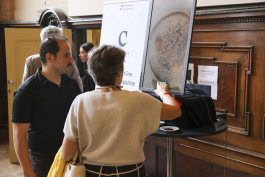
Özcan Ertek is a sonic and media artist whose work explores the intersections of sound, sculpture, and motion. Over the two days of TEDxBerlin, he presented his project, “Future Visioning: AI Turkish Coffee Reading”, which reimagines the centuries-old tradition of Turkish coffee fortune-telling through artificial intelligence. On June 8, Ertek presented the project at Factory Berlin, followed by live demonstrations. The next day, he brought the experience to participants attending the conference at Berliner Ensemble, representing The Columbist in the partners' area.
Participants experienced the entire ritual. They drank a cup of Turkish coffee and, once finished, turned it upside down. After some time, they were asked to make a simple choice: would they trust a human interpreter, Ertek himself, or an AI system to read their future? That decision informed the experience that followed. Some participants even chose to try both.
What makes the installation particularly fascinating is that it has been trained on more than 10,000 coffee readings, allowing it to recognize patterns and symbols and generate detailed interpretations. It raised an important question: when machines begin interpreting symbols, stories, and uncertainty, what happens to intuition? To imagination? To trust?
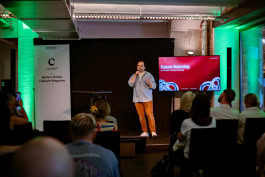
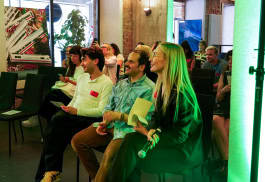
Özcan Ertek’s installation fit perfectly within the broader theme of TEDxBerlin: the ways in which AI is entering spaces once considered deeply human.
AI is increasingly influencing how we create art, tell stories, maintain our health, navigate cities, discover new places, and connect with one another. The discussions at the conference didn’t center on the fear of machines replacing people like most do, and instead moved toward a more nuanced exploration of collaboration between humans and machines.
For Berlin, this feels particularly significant. The city's galleries are already exploring digital art. Wellness technologies and urban sanctuaries are redefining longevity and the capabilities of the human body. Berlin-based entrepreneurs are building AI-powered solutions, contributing to the city's thriving start-up culture and making our lives easier.
TEDxBerlin brought a refreshing sense of optimism mixed with realism. Rather than presenting AI as an inevitable force acting upon us, many conversations emphasized human agency. The future is something we collectively shape through the values, cultures, and communities we bring to it.
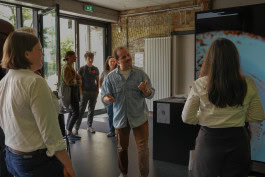

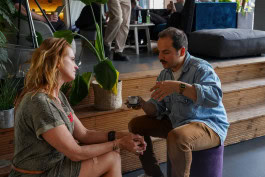
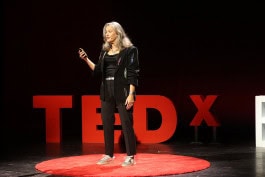
While much of the public conversation around AI focuses on efficiency, automation, and optimization, several TEDxBerlin speakers shifted the focus back to what matters most: people.
One of the most hopeful visions came from Dr. Cori Lathan, who explored how AI is already helping people live healthier, longer, and more independent lives. Through assistive technologies and systems capable of detecting subtle signs of cognitive decline before they become visible, AI has the potential to transform healthcare. For Berliners increasingly interested in wellness, longevity, and quality of life, her message resonated deeply. As Dr. Lathan shared, we already have the health data; we just need to start using it to better care for ourselves and one another.
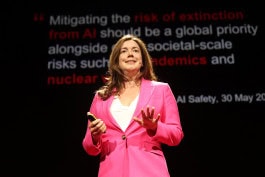
Yet alongside this optimism came the notion we all know, but sometimes ignore - that technology is never neutral. Stephanie Hare showcased the grim reality of autonomous weapons and algorithmic decision-making, and argued that accountability must remain human. We cannot outsource responsibility to machines, as that may lead to destruction, both literal and metaphorical.
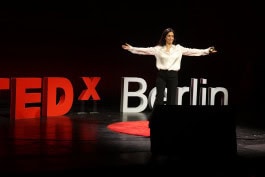
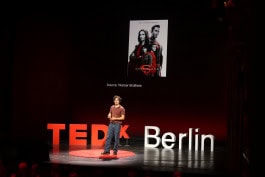
This question of responsibility also relates to our everyday lives. Shani Lehrer invited the audience to rethink one of the most common questions surrounding AI. Instead of asking whether we can trust AI, she suggested we ask whether we can trust ourselves. AI reflects our values, assumptions, and behaviors back to us, often amplifying them in the process. In a world increasingly defined by algorithms, self-awareness becomes one of the most important skills we possess.
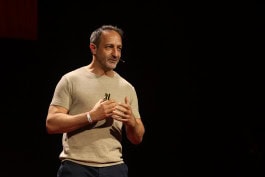
The conversation also turned toward work and the future of professional life. Daniele Quercia, Director of Responsible AI at Nokia Bell Labs, challenged one of the most common fears surrounding AI: job loss. He emphasized that instead of replacing entire professions, AI is more likely to transform the tasks that make up those jobs. Unfortunately, he noted, it is the tasks we love that are being automated, not the repetitive ones.
At a moment when technological progress feels faster than ever, Alex Garfin emphasized that perhaps the opportunity before us is not simply to explore new technologies, but to better understand one another.
For a city like Berlin, where creativity, innovation, community, and culture meet every day, preserving our human capabilities and authenticity while working hand in hand with machines, may be the most exciting possibility of all. The future of AI lies in creating healthier lives, more meaningful work, greater trust, and stronger human connections. That’s our purpose here at The Columbist.
Related Articles:

Across two days of talks, workshops, and discussions, the conference looked beyond AI as a tool for efficiency and opened up a wider conversation about how technology is changing the way we live, work, create, travel, care for ourselves, and connect with one another.
The topics felt particularly relevant to The Columbist, since we are a magazine rooted in community, and are especially interested in how AI can enhance human connection, while helping us preserve what makes us human. As we explore topics such as culture, future, art, travel, and food, we continuously ask ourselves: how can we improve our lives through the technology we have at hand?
One of the most memorable experiences was the interactive installation and workshop by artist Özcan Ertek, who is also The Columbist’s Emerging Talent of June. At The Columbist, we dedicate each month to discovering a new talent in the fields of art, culture, technology, and media whom we believe deserves to be introduced to our audience.

Özcan Ertek is a sonic and media artist whose work explores the intersections of sound, sculpture, and motion. Over the two days of TEDxBerlin, he presented his project, “Future Visioning: AI Turkish Coffee Reading”, which reimagines the centuries-old tradition of Turkish coffee fortune-telling through artificial intelligence. On June 8, Ertek presented the project at Factory Berlin, followed by live demonstrations. The next day, he brought the experience to participants attending the conference at Berliner Ensemble, representing The Columbist in the partners' area.
Participants experienced the entire ritual. They drank a cup of Turkish coffee and, once finished, turned it upside down. After some time, they were asked to make a simple choice: would they trust a human interpreter, Ertek himself, or an AI system to read their future? That decision informed the experience that followed. Some participants even chose to try both.
What makes the installation particularly fascinating is that it has been trained on more than 10,000 coffee readings, allowing it to recognize patterns and symbols and generate detailed interpretations. It raised an important question: when machines begin interpreting symbols, stories, and uncertainty, what happens to intuition? To imagination? To trust?


Özcan Ertek’s installation fit perfectly within the broader theme of TEDxBerlin: the ways in which AI is entering spaces once considered deeply human.
AI is increasingly influencing how we create art, tell stories, maintain our health, navigate cities, discover new places, and connect with one another. The discussions at the conference didn’t center on the fear of machines replacing people like most do, and instead moved toward a more nuanced exploration of collaboration between humans and machines.
For Berlin, this feels particularly significant. The city's galleries are already exploring digital art. Wellness technologies and urban sanctuaries are redefining longevity and the capabilities of the human body. Berlin-based entrepreneurs are building AI-powered solutions, contributing to the city's thriving start-up culture and making our lives easier.
TEDxBerlin brought a refreshing sense of optimism mixed with realism. Rather than presenting AI as an inevitable force acting upon us, many conversations emphasized human agency. The future is something we collectively shape through the values, cultures, and communities we bring to it.


While much of the public conversation around AI focuses on efficiency, automation, and optimization, several TEDxBerlin speakers shifted the focus back to what matters most: people.
One of the most hopeful visions came from Dr. Cori Lathan, who explored how AI is already helping people live healthier, longer, and more independent lives. Through assistive technologies and systems capable of detecting subtle signs of cognitive decline before they become visible, AI has the potential to transform healthcare. For Berliners increasingly interested in wellness, longevity, and quality of life, her message resonated deeply. As Dr. Lathan shared, we already have the health data; we just need to start using it to better care for ourselves and one another.
Yet alongside this optimism came the notion we all know, but sometimes ignore - that technology is never neutral. Stephanie Hare showcased the grim reality of autonomous weapons and algorithmic decision-making, and argued that accountability must remain human. We cannot outsource responsibility to machines, as that may lead to destruction, both literal and metaphorical.


This question of responsibility also relates to our everyday lives. Shani Lehrer invited the audience to rethink one of the most common questions surrounding AI. Instead of asking whether we can trust AI, she suggested we ask whether we can trust ourselves. AI reflects our values, assumptions, and behaviors back to us, often amplifying them in the process. In a world increasingly defined by algorithms, self-awareness becomes one of the most important skills we possess.
The conversation also turned toward work and the future of professional life. Daniele Quercia, Director of Responsible AI at Nokia Bell Labs, challenged one of the most common fears surrounding AI: job loss. He emphasized that instead of replacing entire professions, AI is more likely to transform the tasks that make up those jobs. Unfortunately, he noted, it is the tasks we love that are being automated, not the repetitive ones.
At a moment when technological progress feels faster than ever, Alex Garfin emphasized that perhaps the opportunity before us is not simply to explore new technologies, but to better understand one another.
For a city like Berlin, where creativity, innovation, community, and culture meet every day, preserving our human capabilities and authenticity while working hand in hand with machines, may be the most exciting possibility of all. The future of AI lies in creating healthier lives, more meaningful work, greater trust, and stronger human connections. That’s our purpose here at The Columbist.


Related Articles:
You need to load content from reCAPTCHA to submit the form. Please note that doing so will share data with third-party providers.
More InformationYou need to load content from Turnstile to submit the form. Please note that doing so will share data with third-party providers.
More InformationYou are currently viewing a placeholder content from Facebook. To access the actual content, click the button below. Please note that doing so will share data with third-party providers.
More InformationYou are currently viewing a placeholder content from Instagram. To access the actual content, click the button below. Please note that doing so will share data with third-party providers.
More InformationYou need to load content from hCaptcha to submit the form. Please note that doing so will share data with third-party providers.
More InformationYou need to load content from reCAPTCHA to submit the form. Please note that doing so will share data with third-party providers.
More InformationYou are currently viewing a placeholder content from Turnstile. To access the actual content, click the button below. Please note that doing so will share data with third-party providers.
More InformationYou are currently viewing a placeholder content from X. To access the actual content, click the button below. Please note that doing so will share data with third-party providers.
More Information