

Sign up here to subscribe to The Columbist newsletter.
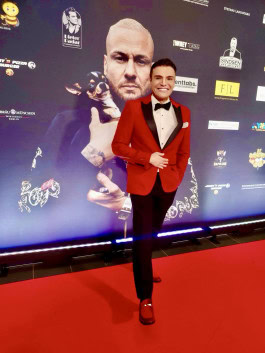
Sometimes just a few hundred metres separate two completely different worlds. I can spend an evening on a red carpet, dressed up, a glass of champagne in my hand. Flashbulbs, beautiful people, perhaps a good dinner afterwards. I enjoy evenings like that. I like glamour, culture, beautiful hotels and restaurants, and Berlin's social scene. And I am certainly not going to pretend that none of that matters to me simply because I have spent many years involved in social causes.
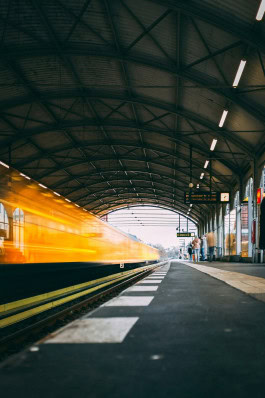
The next day, I can be at Bahnhof Zoo talking to someone who has no idea where they will sleep that night. That is part of my life too.
And sometimes I ask myself how these two worlds can possibly fit together. Perhaps the answer is very simple: they are both Berlin.
I was born in West Berlin in 1972. My mother is from Iran; my father was from Baku. I grew up with Persian-Azerbaijani roots and a Muslim background.
But I never had to arrive in Berlin. I was already here. Berlin was home long before I ever stopped to think about what heritage or belonging actually meant.

The Berlin of my childhood no longer exists. West Berlin was an island. The Wall was part of everyday life. As a child, you did not spend your time thinking about the fact that you lived in a divided city. It was simply the world you knew.
I was 17 when the Wall came down. I watched two halves become one city again. I saw streets, neighbourhoods and people change, and I watched Berlin reinvent itself again and again.
And of course, I enjoyed the new freedoms of the city too. I certainly made the most of my party years. I know Berlin at night pretty well. Clubs, restaurants, events, long evenings, and sometimes even longer nights. Later came receptions, premieres, award ceremonies and red carpets. I love culture, I enjoy meeting people, and I like dressing well. That is part of who I am.
But while Berlin became bigger, more international, more expensive and, in many places, more glamorous, I witnessed another change as well. Of course there was poverty in the West Berlin of my childhood. And there were people without a home then too. I do not want to romanticise the past.
But I did not experience the visible poverty and homelessness that are now part of the
streetscape in so many parts of Berlin in the same way when I was growing up. People sleep in doorways. Some carry everything they own in just a few bags. Thousands of people walk past them every day.At some point I began to wonder when this sight had become so normal to us.
In 2014, I began to get more deeply involved with homeless and disadvantaged people. Padar Humanitas grew out of that commitment. And through it, I discovered a completely different side of the city I had already lived in for morethan forty years.
More than anything, I learned something about people. There is a huge difference between walking past someone and stopping. The moment you start talking, that one word - "homeless" - very quickly begins to disappear. Suddenly there is a person standing in front of you with a name. With humour, pride, memories, disappointments and a story you knew nothing about only a few minutes earlier.
That has also shaped the way we organise our events. When we celebrate Christmas, Easter or our summer gathering, I do not want people to arrive feeling as though they are being processed or treated as charity cases. They are our guests. We set the tables properly. There is good food, music and entertainment. Artists perform. Restaurants, businesses and people from Berlin's cultural and social scene support us.
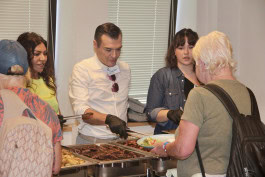
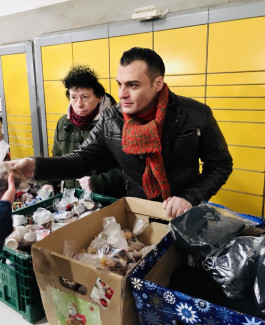
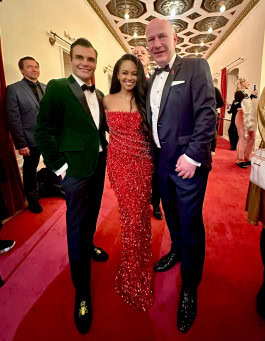
Of course, we are not solving homelessness in Berlin. I do not pretend that we are. But for a few hours, people can sit together, eat, laugh and simply enjoy a good day.
And sometimes, something happens that I never planned: My different Berlin worlds meet. People who would probably never have met in their everyday lives suddenly find themselves in the same room.
Perhaps that is what still fascinates me most. Because I do not want to be reduced to just one part of my life either. I am the son of an Iranian mother and a father from Baku. I am a native West Berliner. I grew up with a Muslim background. I have a degree in business administration. I like glamour and social events. And for the past twelve years, I have spent a large part of my time with people whom our society often sees through a single label: "Homeless."
The longer I do this work, the more that word bothers me when it is used to stand in for an entire person. Because no single word would ever be enough to describe my life.Why should it be any different for someone else?
Today I am 53, and I have lived through more than five decades of Berlin. I experienced the old West Berlin and the fall of the Wall. I experienced wild Berlin nights and red carpets. I watched the city grow together and reinvent itself again and again. And I discovered a side of Berlin that I did not know in the same way when I was young.
I do not want to romanticise this city. Berlin can be loud, dirty, unfair and incredibly exhausting. There are things about the way it has changed that I do not like at all. But Berlin has given me something that has become important to the way I live: I have never had to choose just one of my worlds.
I can enjoy an evening at a reception and be at Bahnhof Zoo the next day. I can like glamour and still understand that a beautifully set table can mean far more to someone else than it does to me.
Perhaps that is exactly what Berlin is made of: people and realities that seem as though they should not fit together, yet exist only a few streets apart every day. Sometimes on the red carpet. Sometimes on the pavement. And sometimes they suddenly find themselves sitting at the same table.
The red carpet is part of my Berlin. Bahnhof Zoo is too. And somewhere in between lies my story.
Sign up here to subscribe to The Columbist newsletter.
Related Articles:

Sign up here to subscribe to The Columbist newsletter.
Sometimes just a few hundred metres separate two completely different worlds. I can spend an evening on a red carpet, dressed up, a glass of champagne in my hand. Flashbulbs, beautiful people, perhaps a good dinner afterwards. I enjoy evenings like that. I like glamour, culture, beautiful hotels and restaurants, and Berlin's social scene. And I am certainly not going to pretend that none of that matters to me simply because I have spent many years involved in social causes.
The next day, I can be at Bahnhof Zoo talking to someone who has no idea where they will sleep that night. That is part of my life too.
And sometimes I ask myself how these two worlds can possibly fit together. Perhaps the answer is very simple: they are both Berlin.
I was born in West Berlin in 1972. My mother is from Iran; my father was from Baku. I grew up with Persian-Azerbaijani roots and a Muslim background.
But I never had to arrive in Berlin. I was already here. Berlin was home long before I ever stopped to think about what heritage or belonging actually meant.

The Berlin of my childhood no longer exists. West Berlin was an island. The Wall was part of everyday life. As a child, you did not spend your time thinking about the fact that you lived in a divided city. It was simply the world you knew.
I was 17 when the Wall came down. I watched two halves become one city again. I saw streets, neighbourhoods and people change, and I watched Berlin reinvent itself again and again.
And of course, I enjoyed the new freedoms of the city too. I certainly made the most of my party years. I know Berlin at night pretty well. Clubs, restaurants, events, long evenings, and sometimes even longer nights. Later came receptions, premieres, award ceremonies and red carpets. I love culture, I enjoy meeting people, and I like dressing well. That is part of who I am.
But while Berlin became bigger, more international, more expensive and, in many places, more glamorous, I witnessed another change as well. Of course there was poverty in the West Berlin of my childhood. And there were people without a home then too. I do not want to romanticise the past.
But I did not experience the visible poverty and homelessness that are now part of the
streetscape in so many parts of Berlin in the same way when I was growing up. People sleep in doorways. Some carry everything they own in just a few bags. Thousands of people walk past them every day.At some point I began to wonder when this sight had become so normal to us.
In 2014, I began to get more deeply involved with homeless and disadvantaged people. Padar Humanitas grew out of that commitment. And through it, I discovered a completely different side of the city I had already lived in for morethan forty years.
More than anything, I learned something about people. There is a huge difference between walking past someone and stopping. The moment you start talking, that one word - "homeless" - very quickly begins to disappear. Suddenly there is a person standing in front of you with a name. With humour, pride, memories, disappointments and a story you knew nothing about only a few minutes earlier.
That has also shaped the way we organise our events. When we celebrate Christmas, Easter or our summer gathering, I do not want people to arrive feeling as though they are being processed or treated as charity cases. They are our guests. We set the tables properly. There is good food, music and entertainment. Artists perform. Restaurants, businesses and people from Berlin's cultural and social scene support us.


Of course, we are not solving homelessness in Berlin. I do not pretend that we are. But for a few hours, people can sit together, eat, laugh and simply enjoy a good day.
And sometimes, something happens that I never planned: My different Berlin worlds meet. People who would probably never have met in their everyday lives suddenly find themselves in the same room.
Perhaps that is what still fascinates me most. Because I do not want to be reduced to just one part of my life either. I am the son of an Iranian mother and a father from Baku. I am a native West Berliner. I grew up with a Muslim background. I have a degree in business administration. I like glamour and social events. And for the past twelve years, I have spent a large part of my time with people whom our society often sees through a single label: "Homeless."
The longer I do this work, the more that word bothers me when it is used to stand in for an entire person. Because no single word would ever be enough to describe my life.Why should it be any different for someone else?
Today I am 53, and I have lived through more than five decades of Berlin. I experienced the old West Berlin and the fall of the Wall. I experienced wild Berlin nights and red carpets. I watched the city grow together and reinvent itself again and again. And I discovered a side of Berlin that I did not know in the same way when I was young.
I do not want to romanticise this city. Berlin can be loud, dirty, unfair and incredibly exhausting. There are things about the way it has changed that I do not like at all. But Berlin has given me something that has become important to the way I live: I have never had to choose just one of my worlds.
I can enjoy an evening at a reception and be at Bahnhof Zoo the next day. I can like glamour and still understand that a beautifully set table can mean far more to someone else than it does to me.
Perhaps that is exactly what Berlin is made of: people and realities that seem as though they should not fit together, yet exist only a few streets apart every day. Sometimes on the red carpet. Sometimes on the pavement. And sometimes they suddenly find themselves sitting at the same table.
The red carpet is part of my Berlin. Bahnhof Zoo is too. And somewhere in between lies my story.

Sign up here to subscribe to The Columbist newsletter.
Related Articles:
You need to load content from reCAPTCHA to submit the form. Please note that doing so will share data with third-party providers.
More InformationYou need to load content from Turnstile to submit the form. Please note that doing so will share data with third-party providers.
More InformationYou are currently viewing a placeholder content from Facebook. To access the actual content, click the button below. Please note that doing so will share data with third-party providers.
More InformationYou are currently viewing a placeholder content from Instagram. To access the actual content, click the button below. Please note that doing so will share data with third-party providers.
More InformationYou need to load content from hCaptcha to submit the form. Please note that doing so will share data with third-party providers.
More InformationYou need to load content from reCAPTCHA to submit the form. Please note that doing so will share data with third-party providers.
More InformationYou are currently viewing a placeholder content from Turnstile. To access the actual content, click the button below. Please note that doing so will share data with third-party providers.
More InformationYou are currently viewing a placeholder content from X. To access the actual content, click the button below. Please note that doing so will share data with third-party providers.
More Information